Project Type
Commercial
Status
Built
Site Area
300㎡
Gross Floor Area
862m²
Design Period
2021-2022
Construction Period
2021-2022
Location
Hangzhou, China
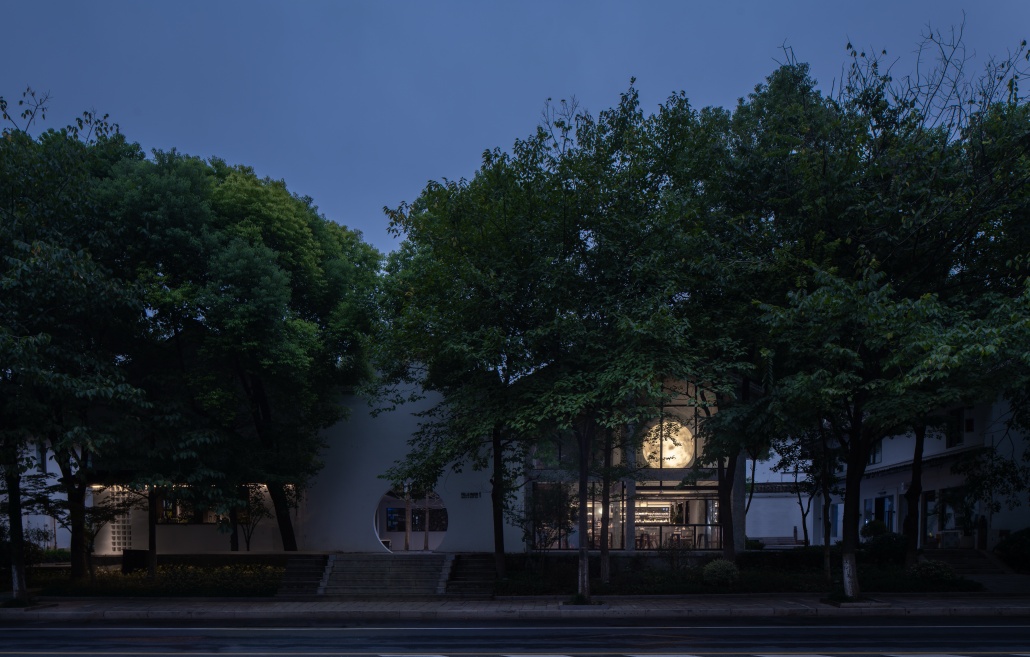
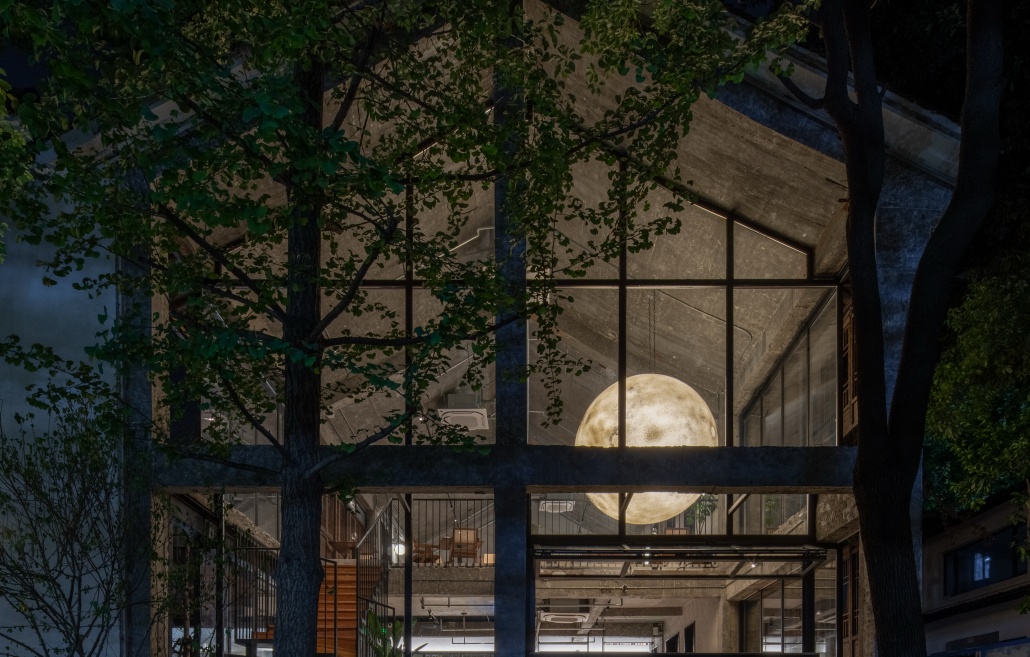
Located in Hangzhou’s historic Dadou Road canal district beside Xiangji Temple, Villa Moon was inspired by Li Bai’s poem Drinking Alone under the Moon. The project aims to create a place detached from the rhythm of the city, where food, wine, nature, and conversation shape a slower atmosphere. Rooted in traditional Chinese culture while responding to contemporary lifestyles, the restaurant combines moon-shaped arches, wooden screens, courtyards, and local stone with modern elements such as glass facades, double-skin envelopes, and a restrained material palette.
Between Old and New
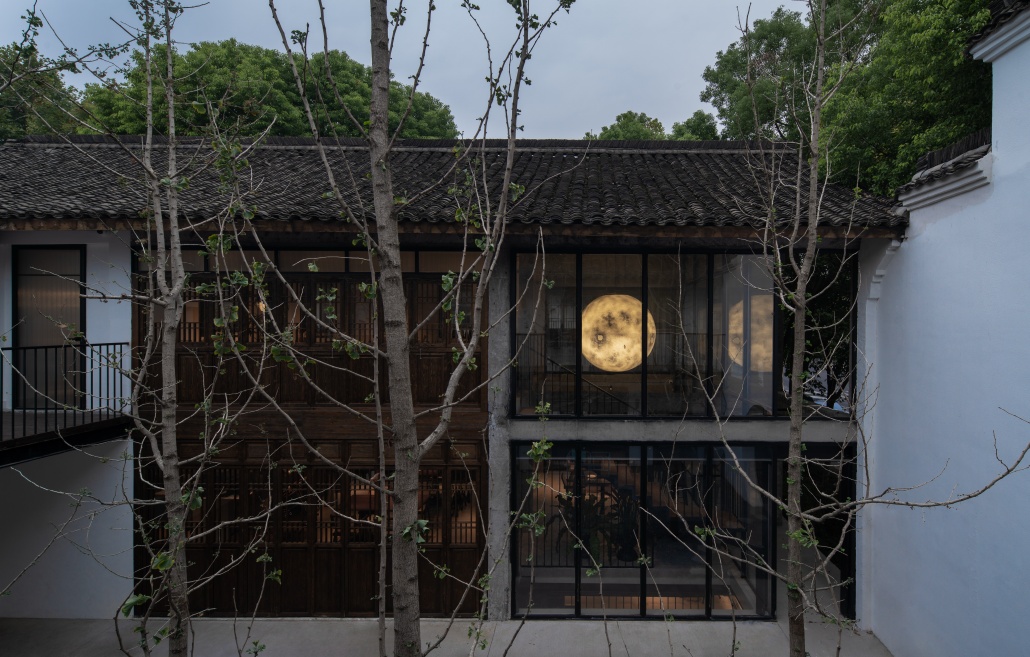
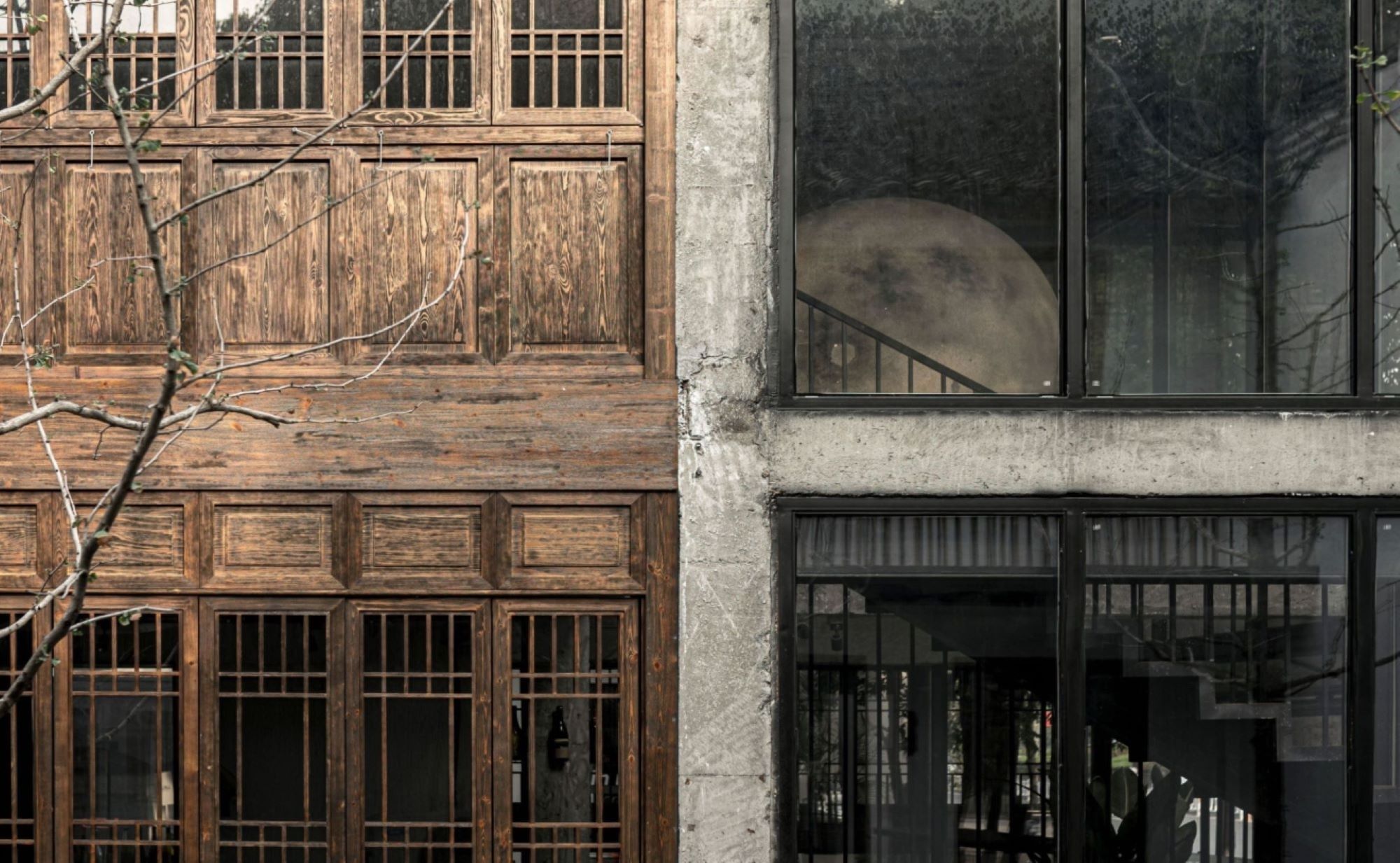
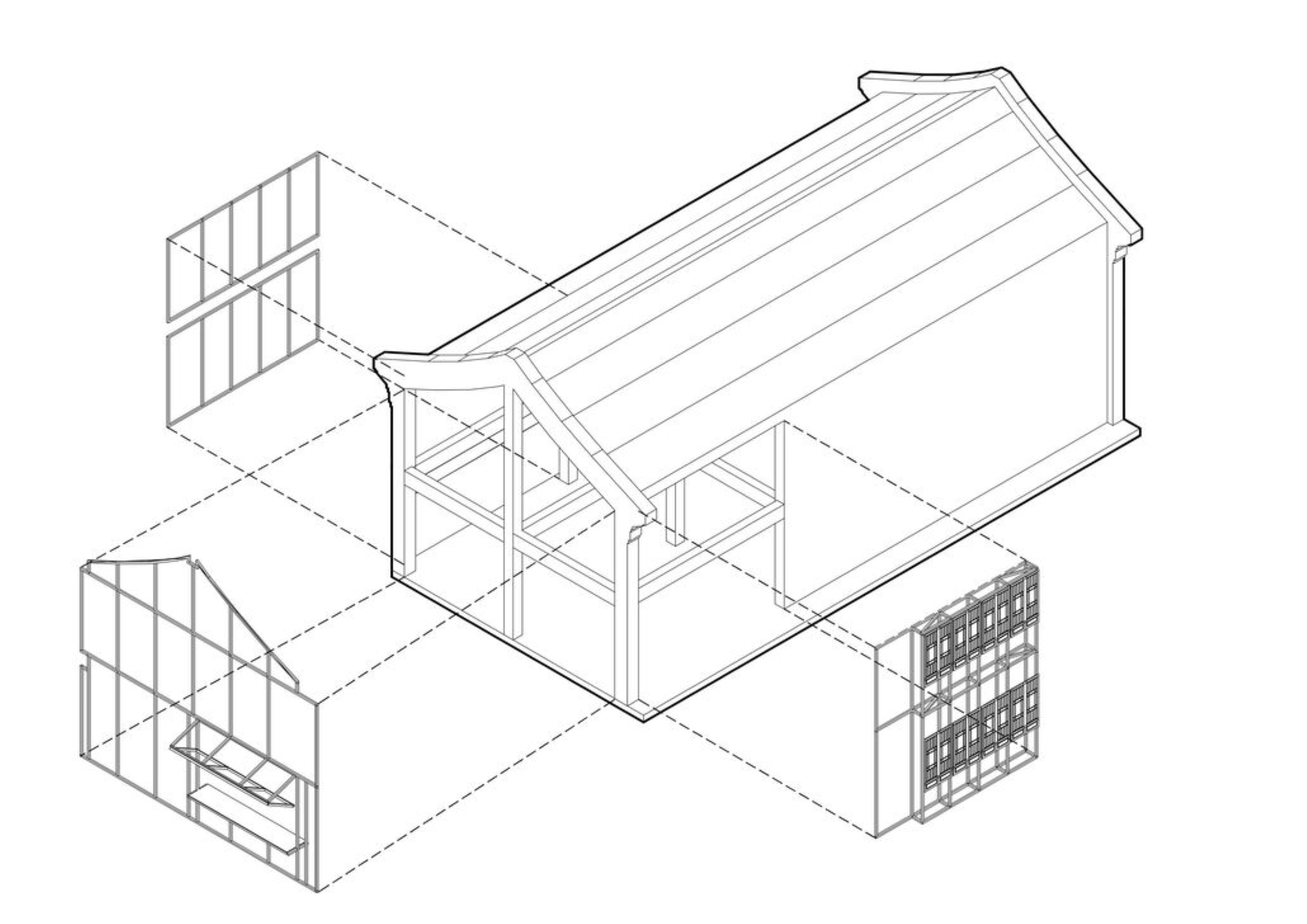
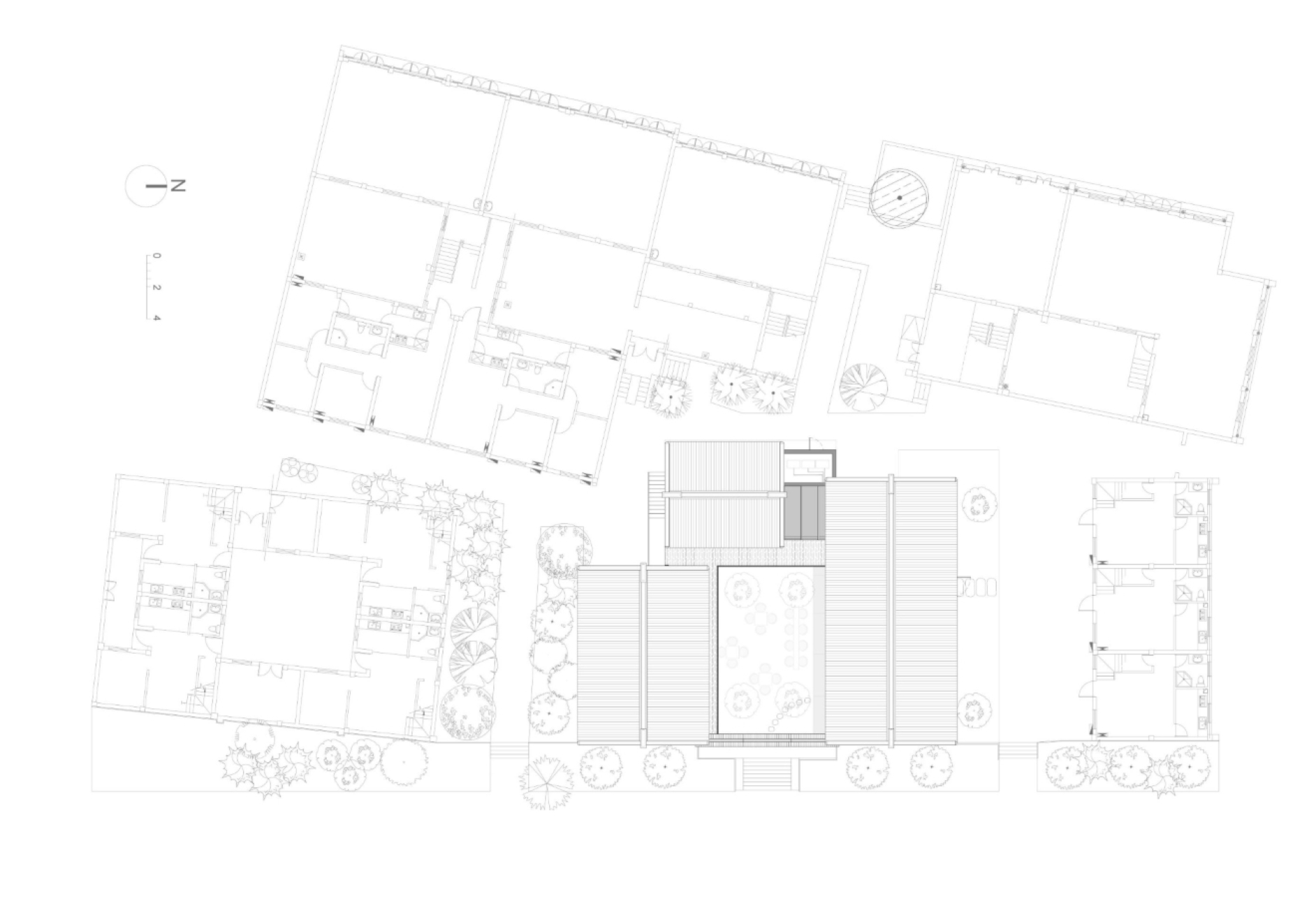
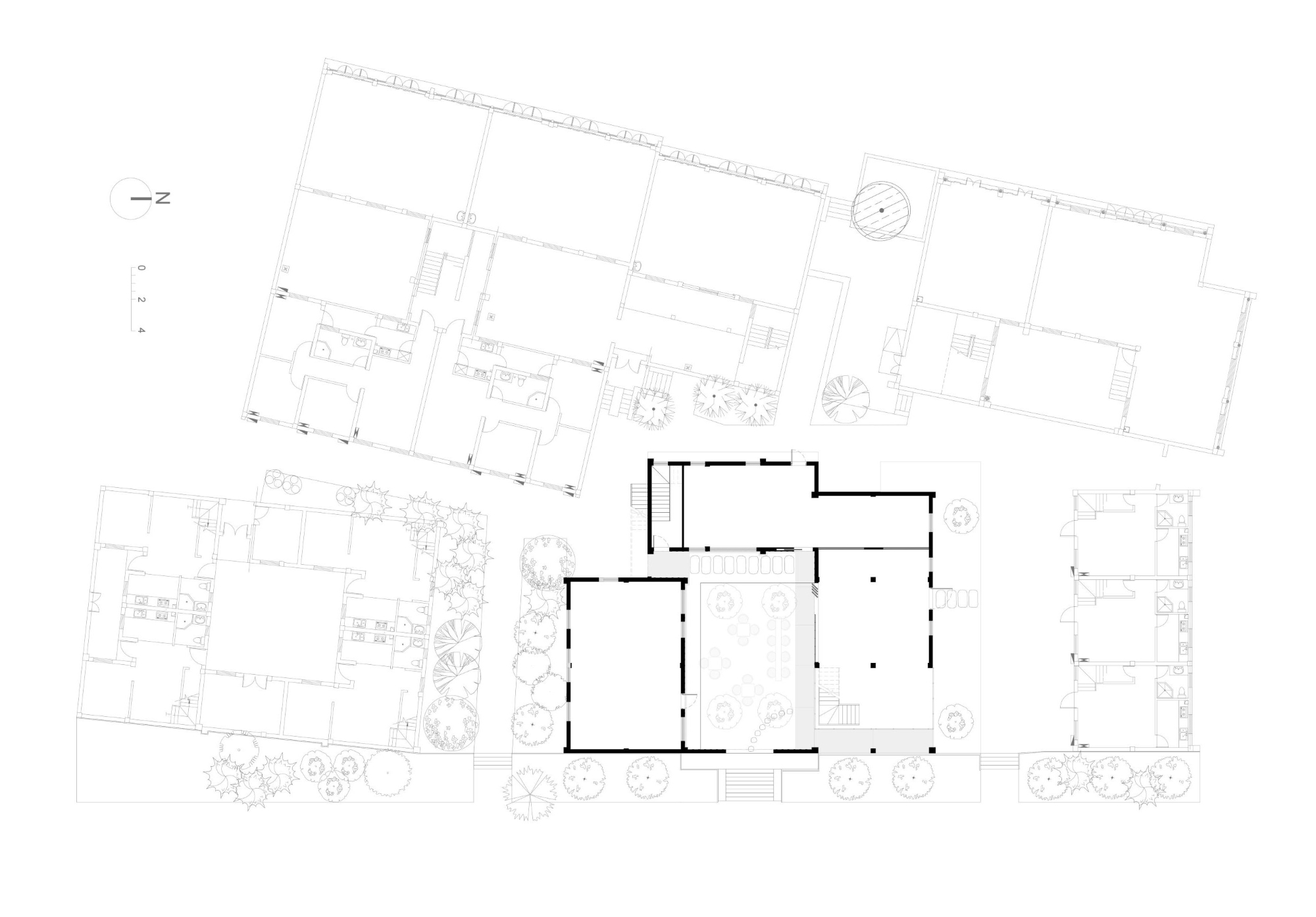
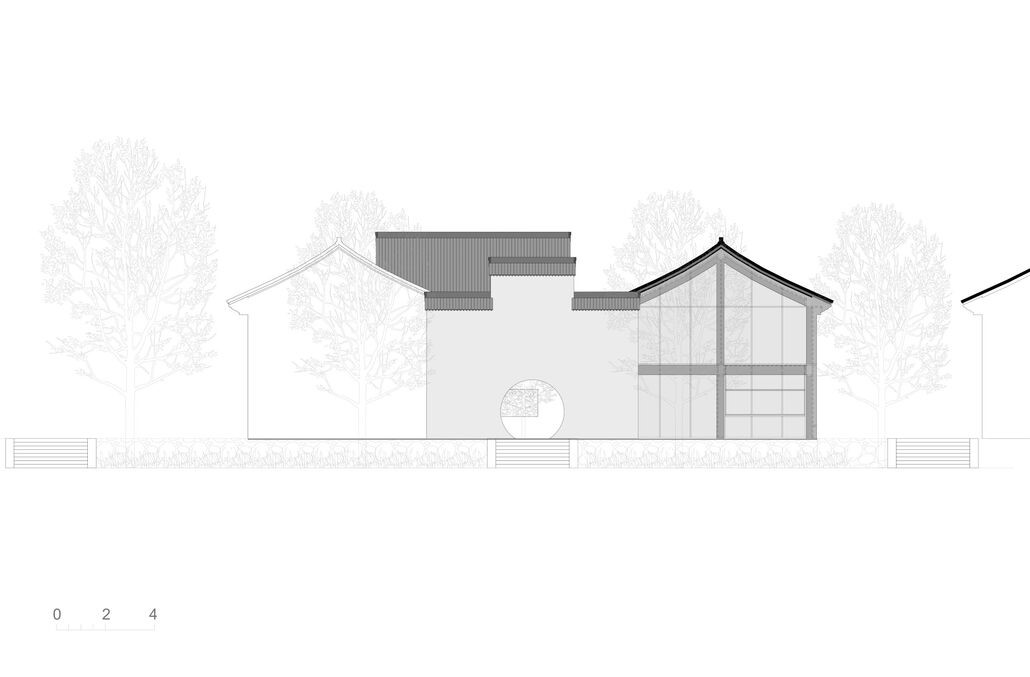
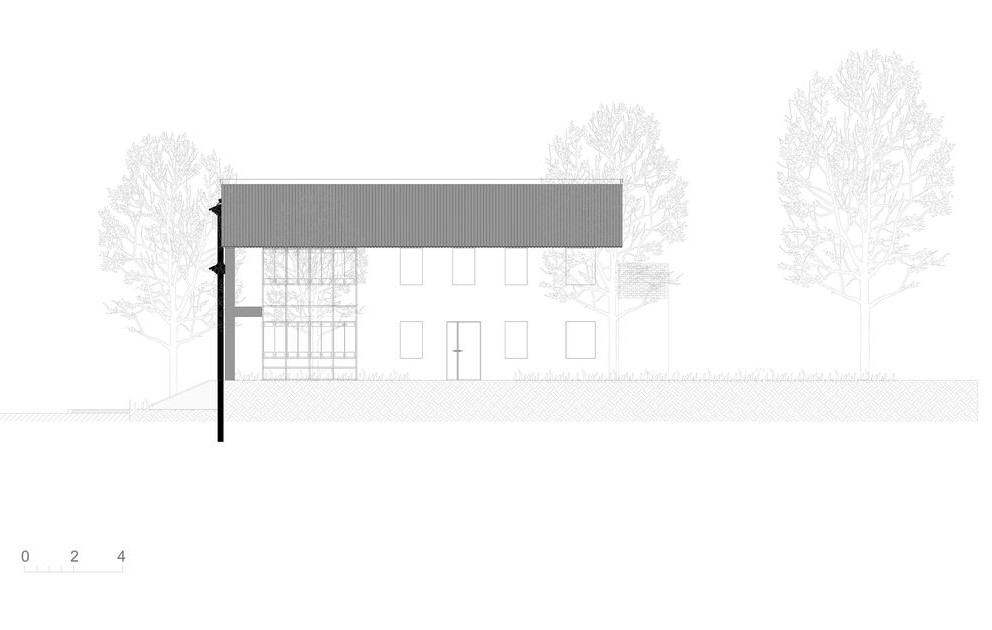
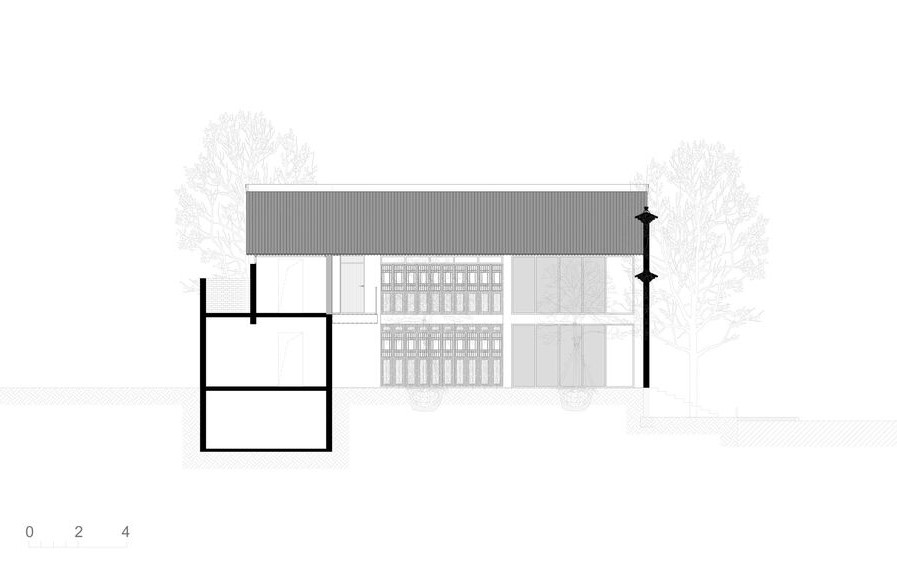
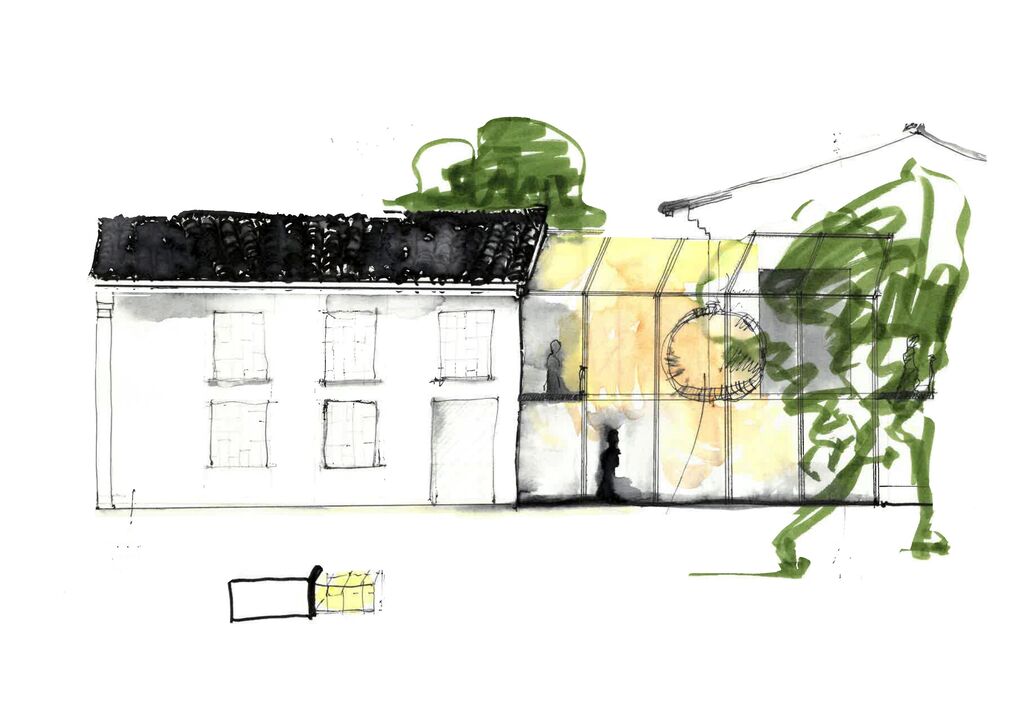
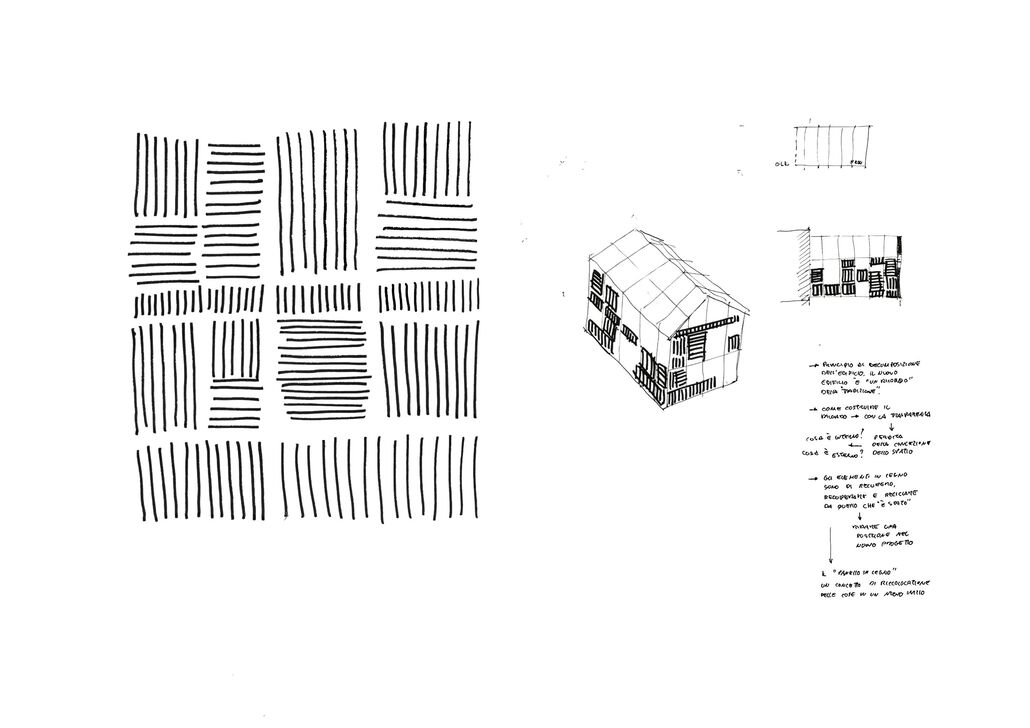
The project stands at the boundary between the historic district and the modern city. In response, the building adopts a “double-sided” strategy: the west facade preserves white walls and black tiles facing the old neighborhood, while the east facade responds to Lishui Road with a more contemporary language. The south facade was simplified with large glass openings, allowing the courtyard and surrounding historic buildings to become part of the interior experience. On the north side, a wooden screen inspired by traditional Chinese window grilles creates privacy, filters sunlight, and casts layered shadows at night.
Traces of Time
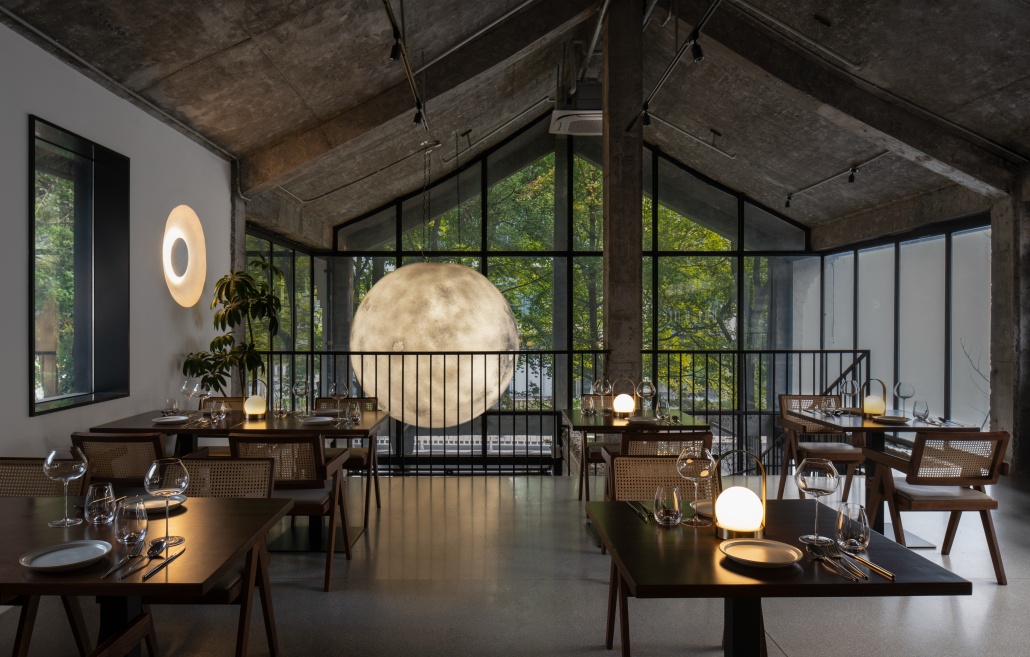
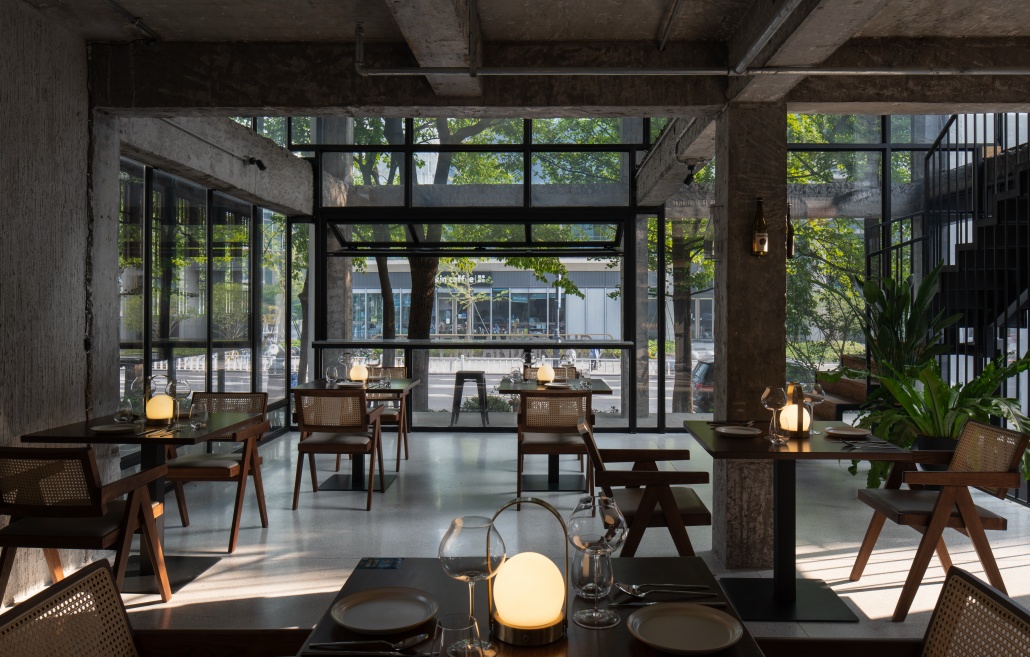
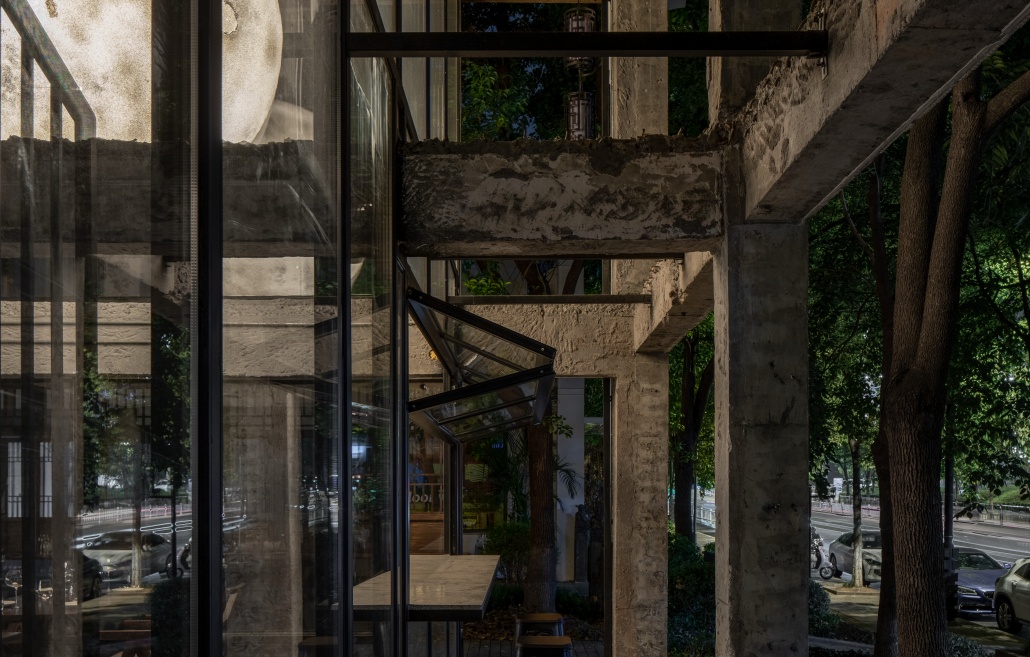
During renovation, the original wooden structure was found to have already been replaced by reinforced concrete. After removing the finishes, scratches, openings, and construction marks gradually appeared on the exposed surfaces. Rather than concealing these traces, the project preserves them as evidence of the building’s transformation over time. Brushed stainless steel, polished concrete, lime plaster, wood, and reeded glass were selected to emphasize the natural texture of materials and maintain continuity between interior, courtyard, and landscape.
Courtyard and Light
The spatial experience revolves around the courtyard. Folding glass walls on the ground floor connect the dining space with the garden, while the second floor overlooks the historic district through large floor-to-ceiling windows. Ginkgo trees, stone paths, arched entrances, and semi-transparent kitchen windows recall Hangzhou’s traditional garden language. Sunlight passing through wooden screens and textured glass creates changing shadows throughout the day, reinforcing the project’s quiet relationship with memory, light, and time.