Shanghai, China
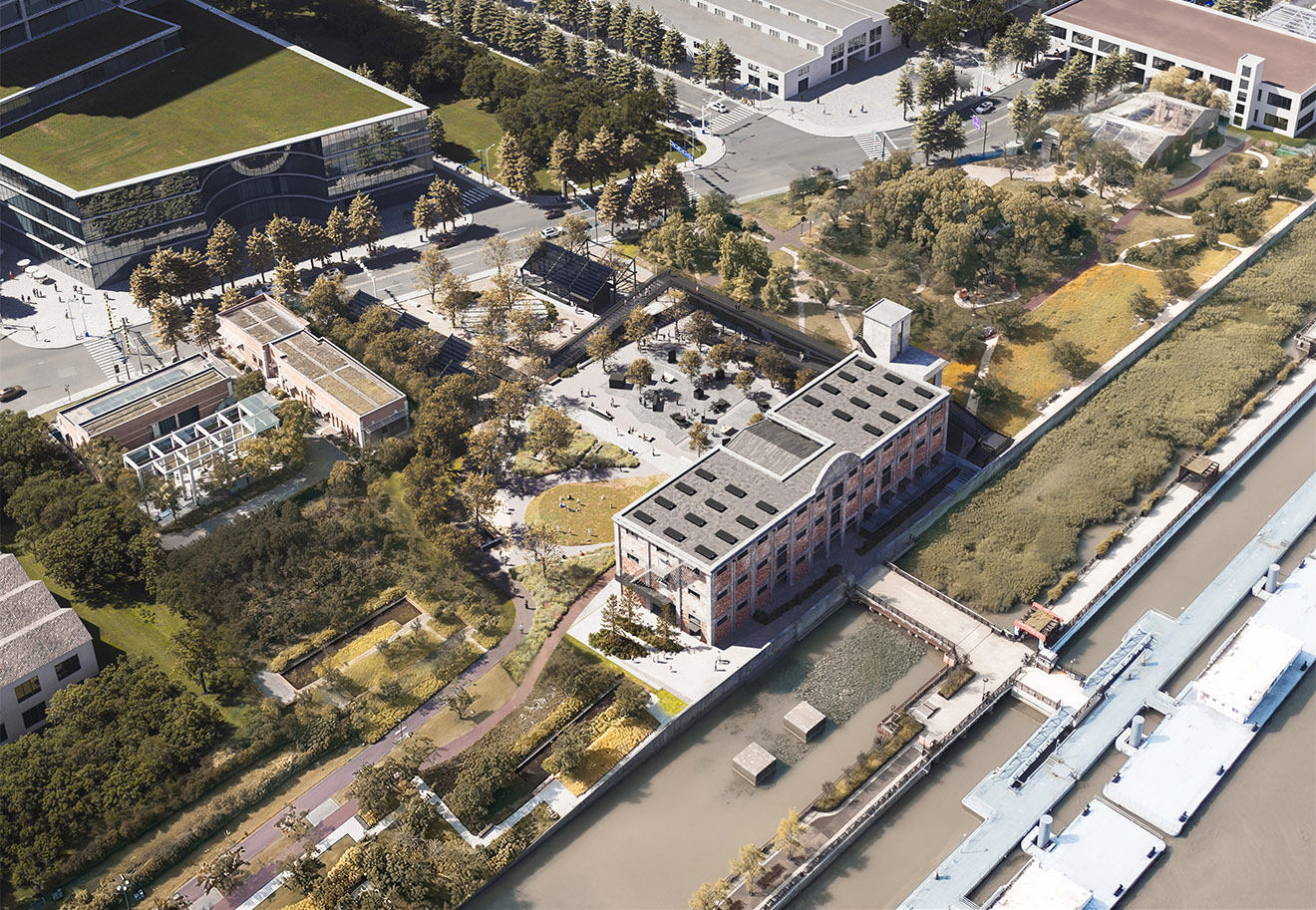
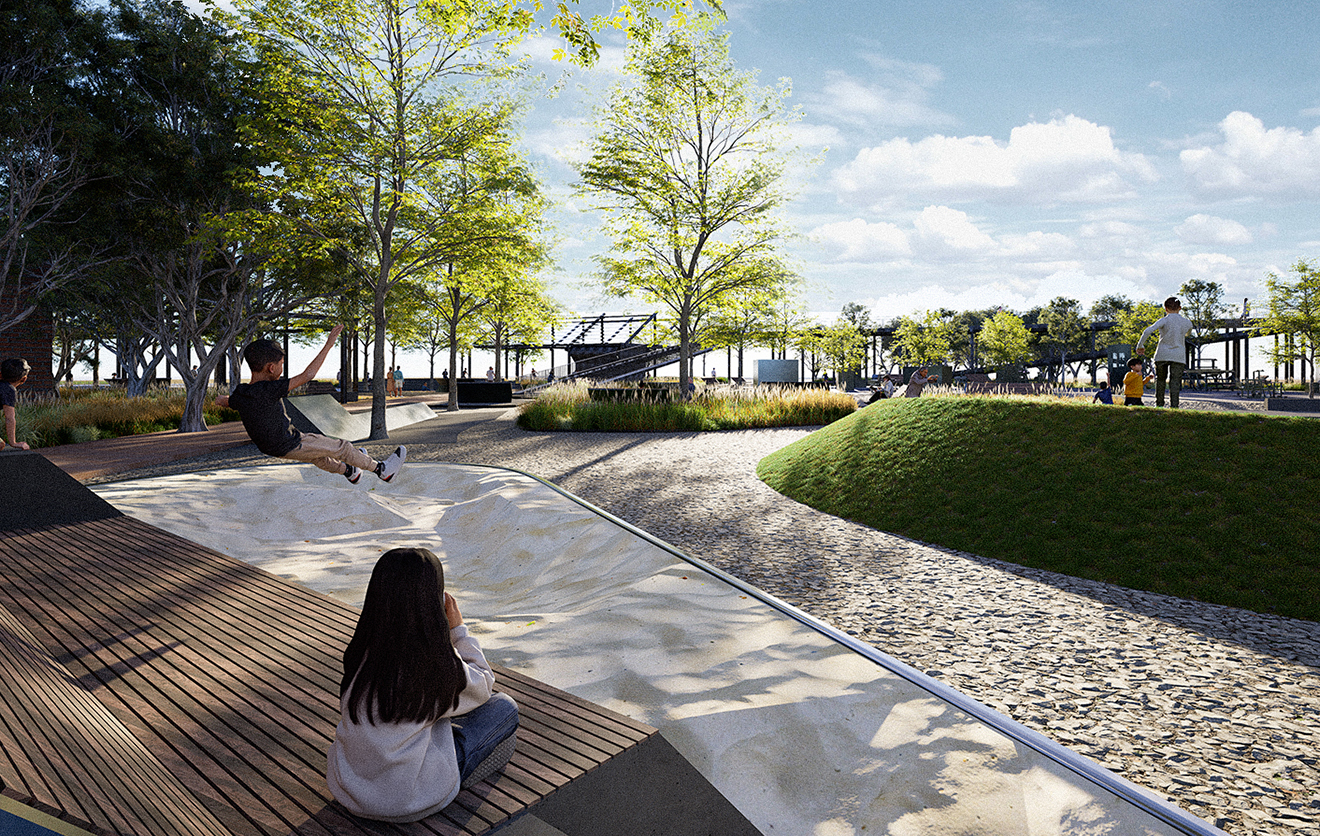
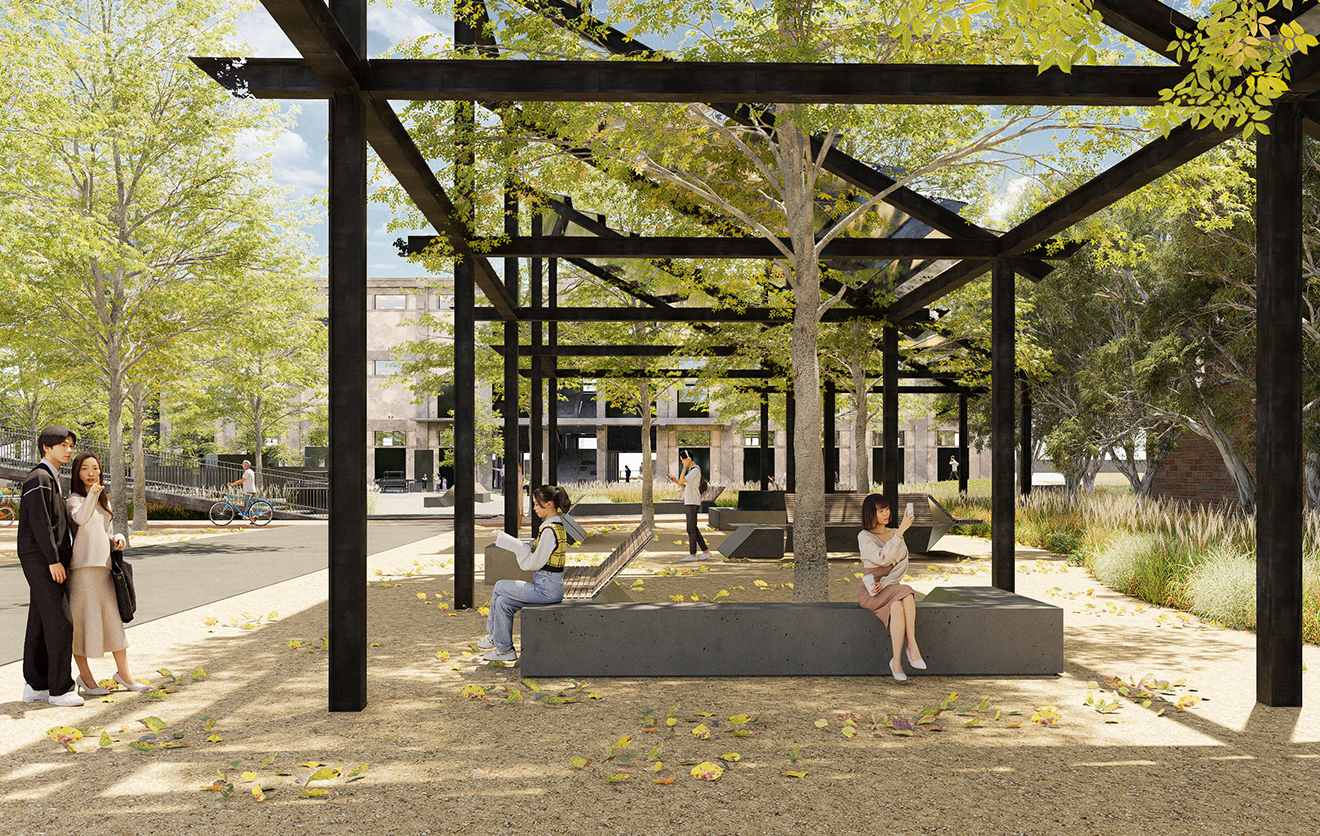
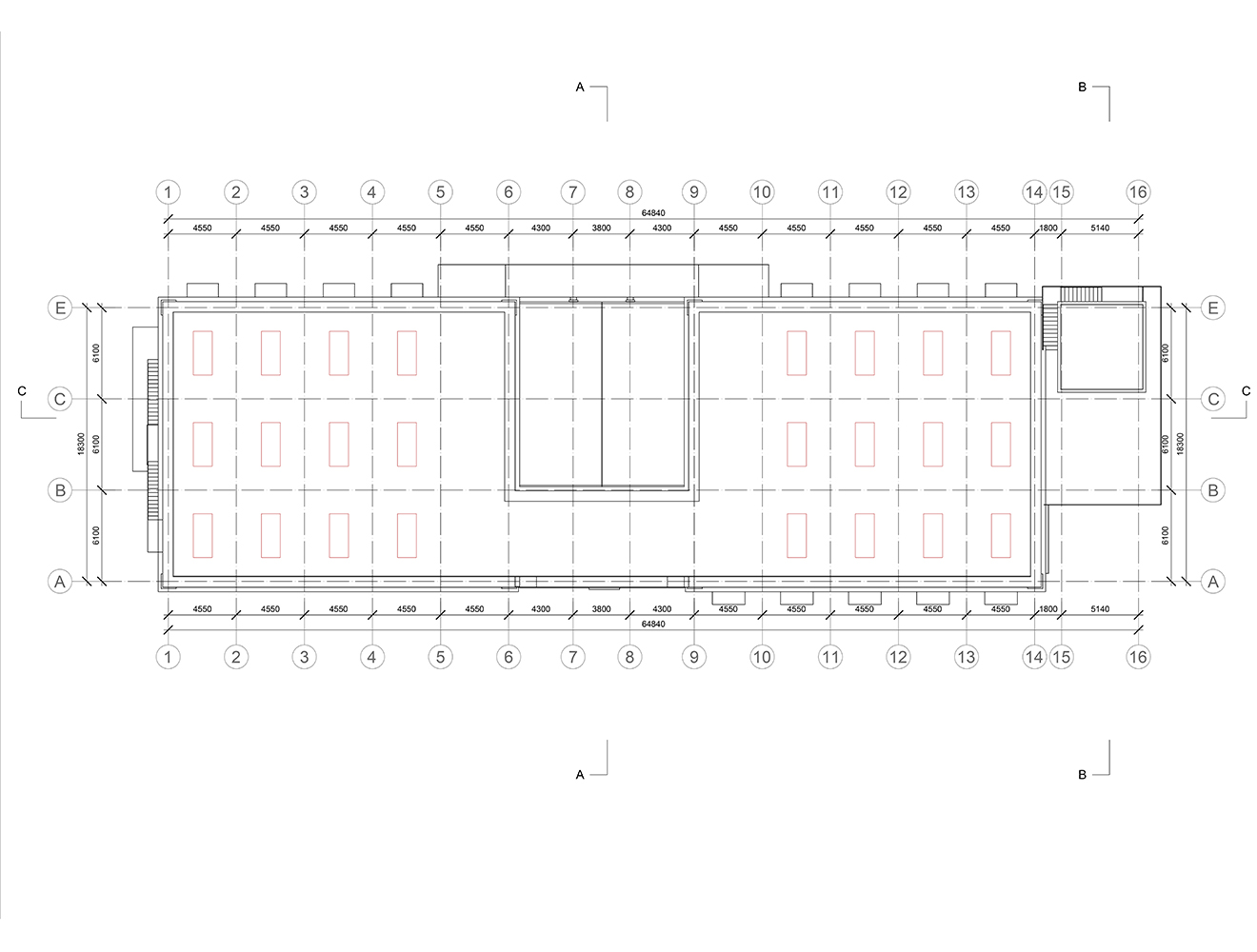
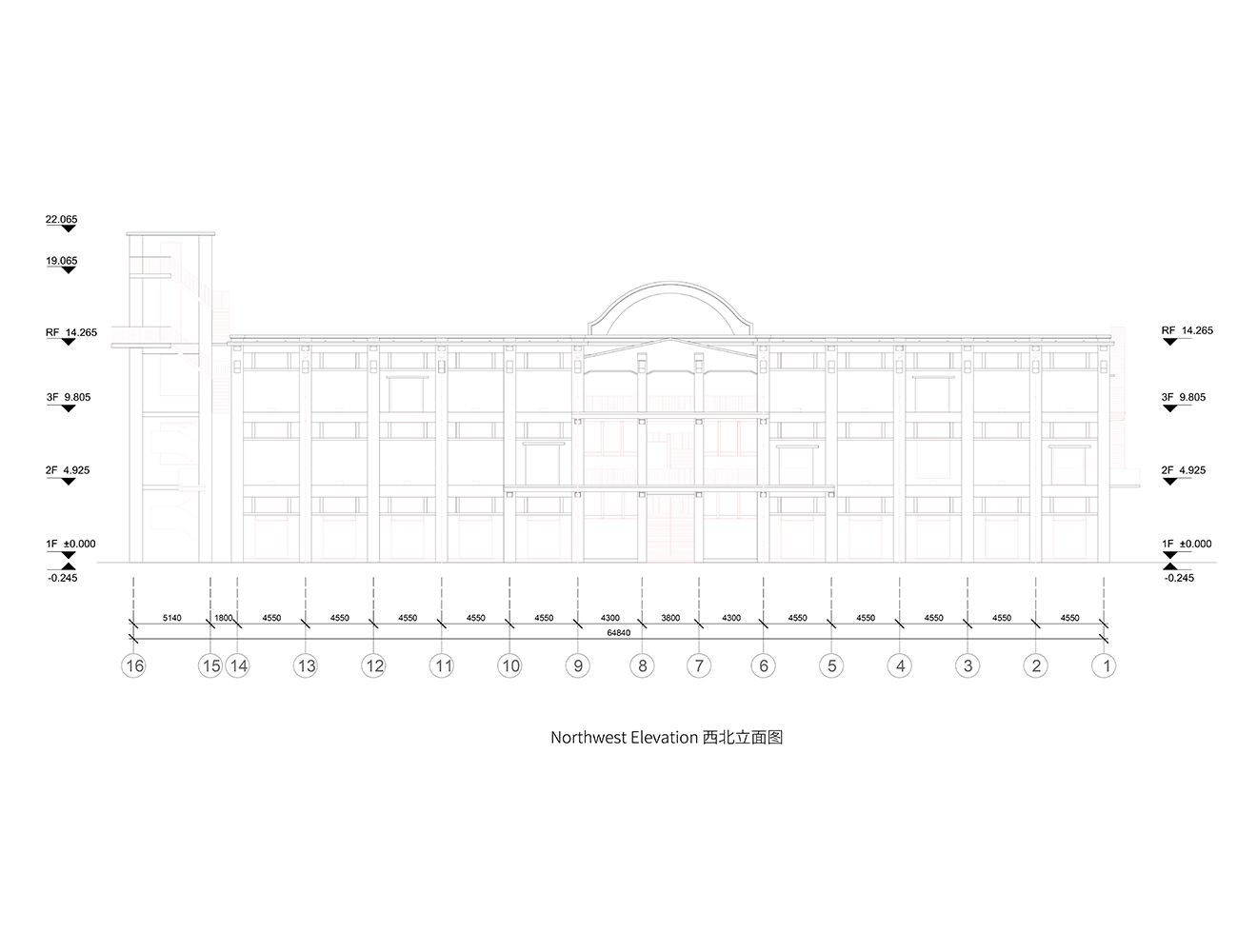
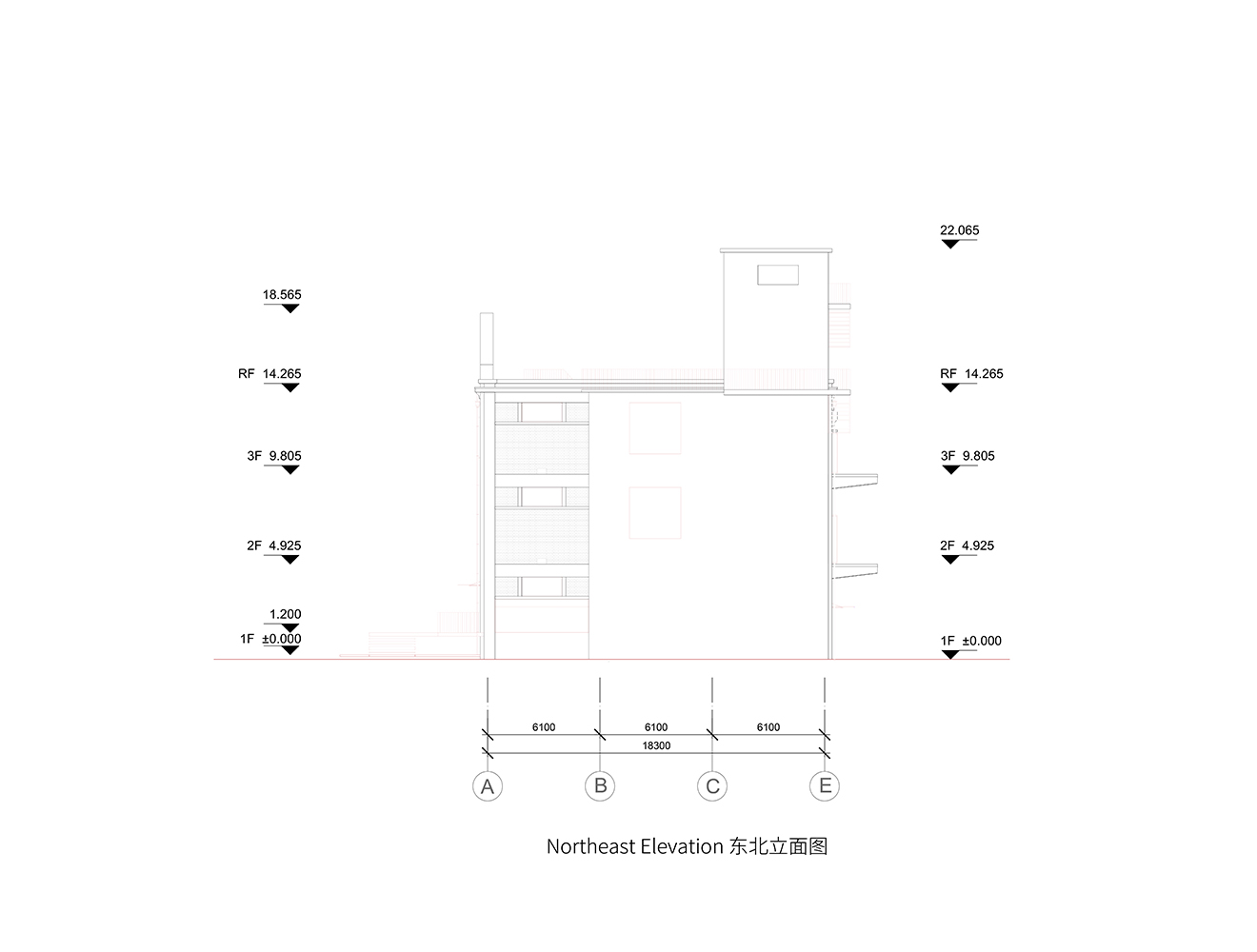
The No.9 Cotton Mill Warehouse stands on the Huangpu River waterfront Yangpu district. This early 20th-century neoclassical structure—with reinforced concrete bones and exposed red-brick skin—bears witness to Shanghai's century-long textile industry evolution. This renovation transcends spatial renewal; it is a reweaving of urban memory—forging new connections between past and future, historical identity and urban transformation. Guided by the philosophy "Respect Time, Begin from the Future", m|p adopts a restrained approach to create a vibrant, daily-integrated, urban memory community, tightly interlinking people, cultural heritage, and urban fabric.
Connect: Continuity & Intergration
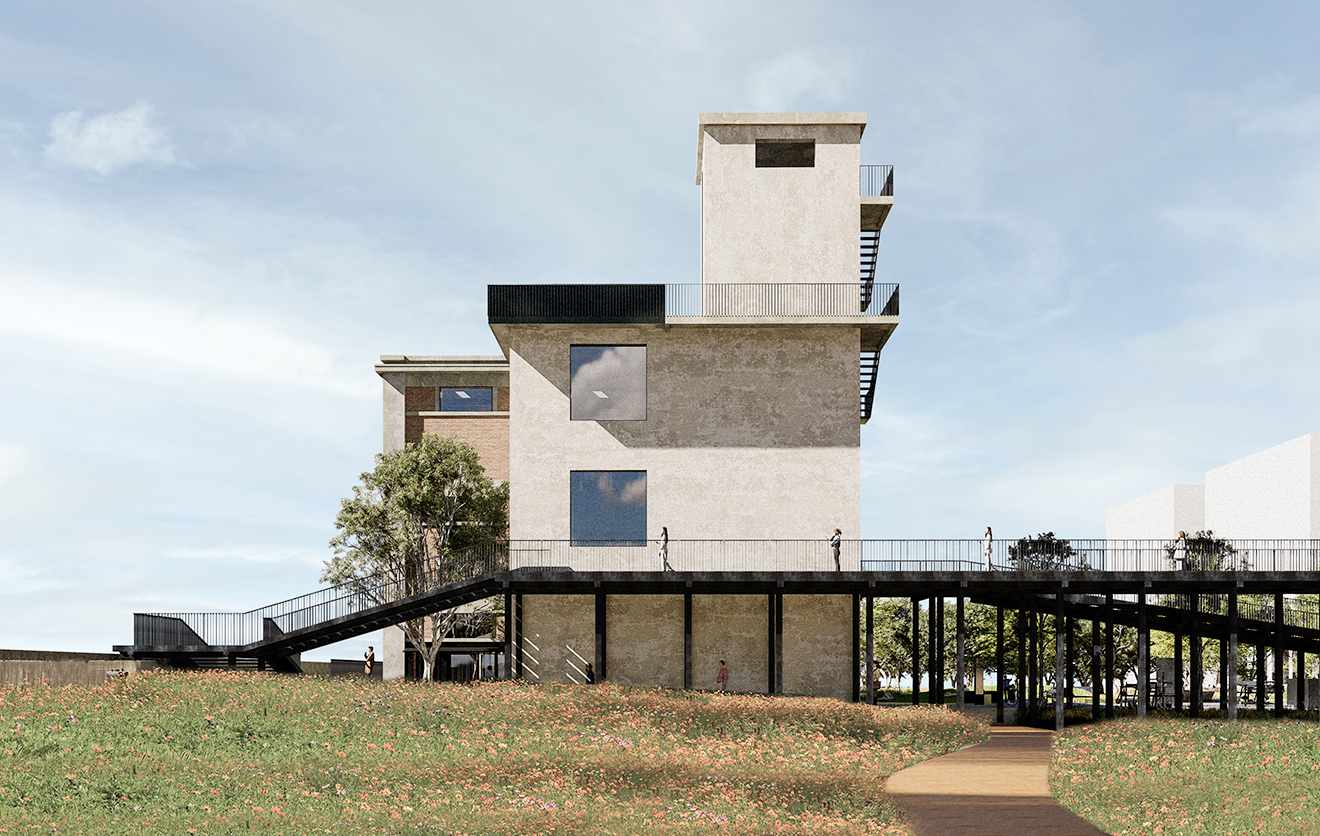
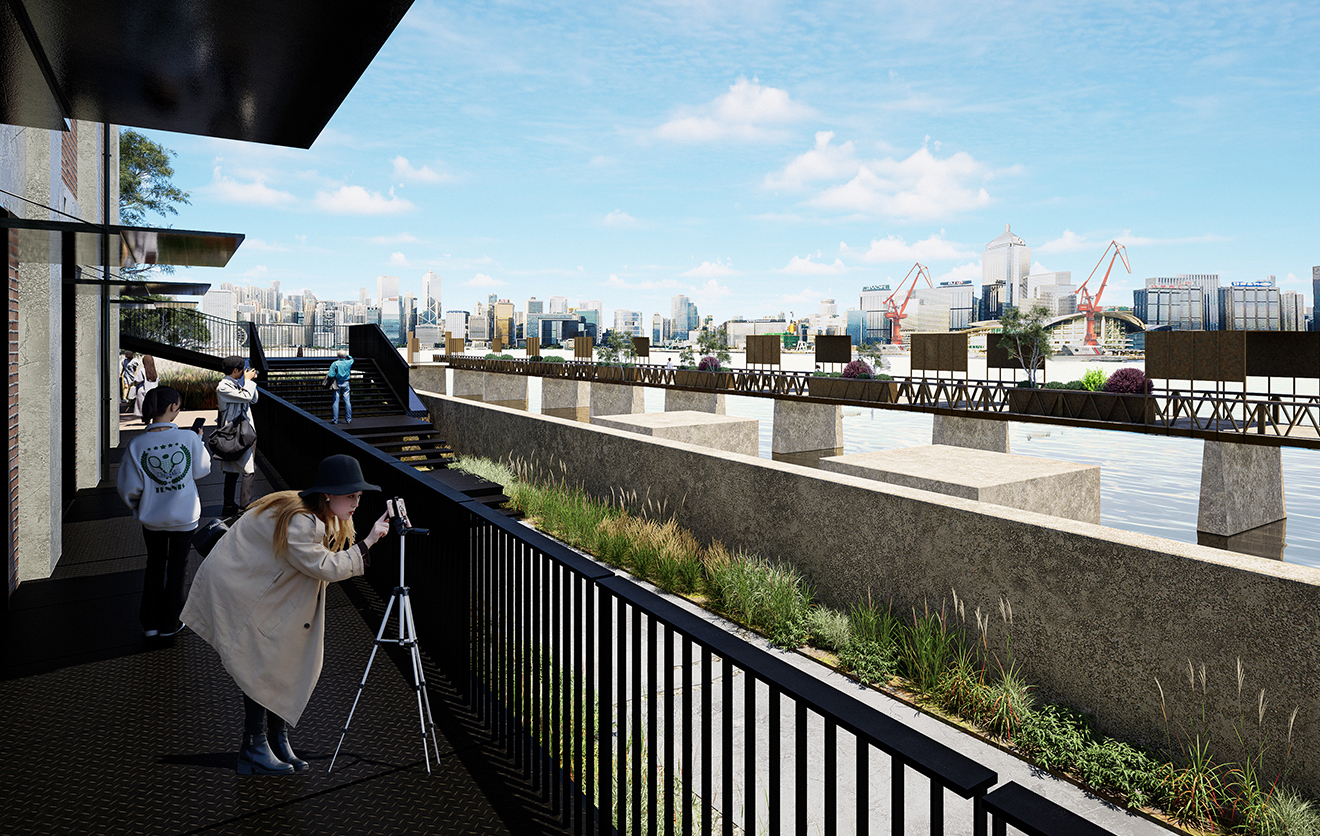
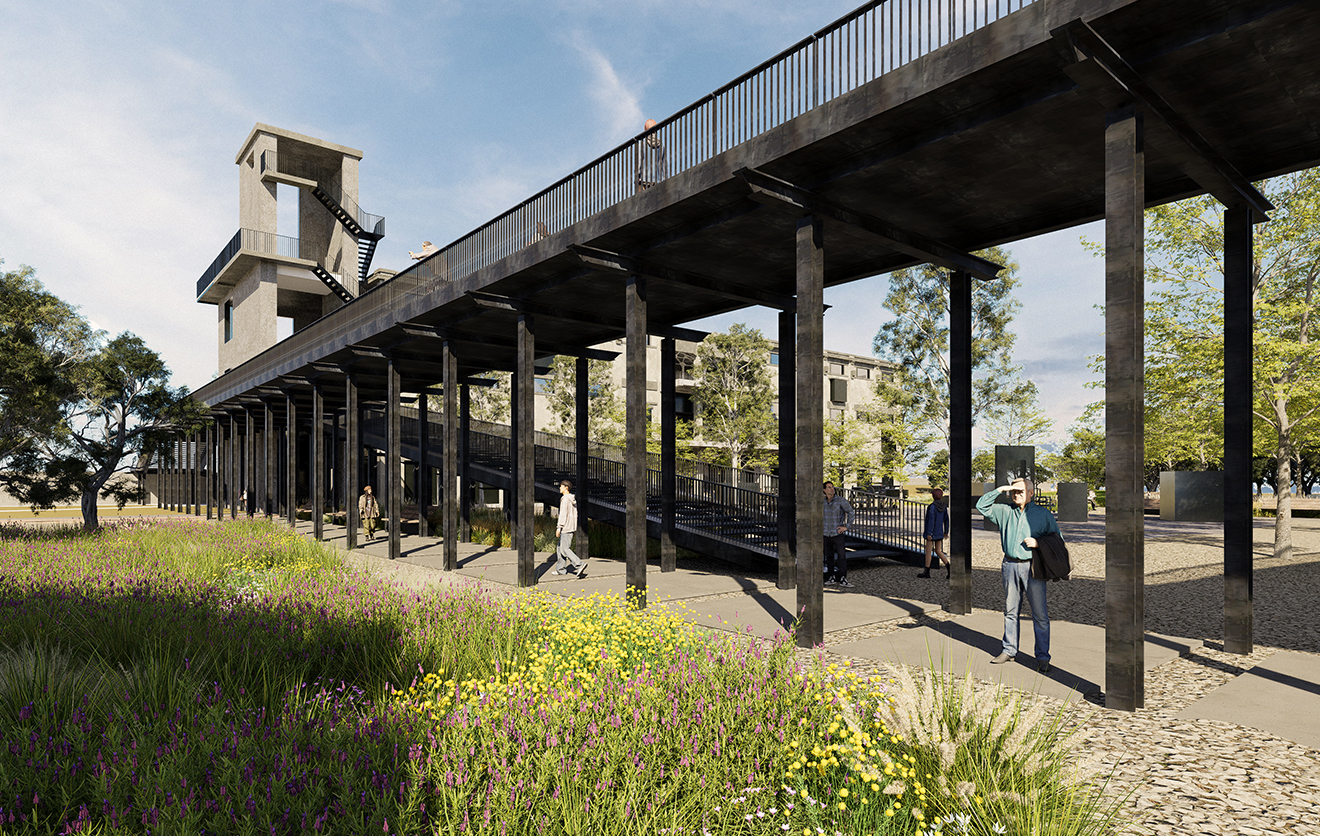
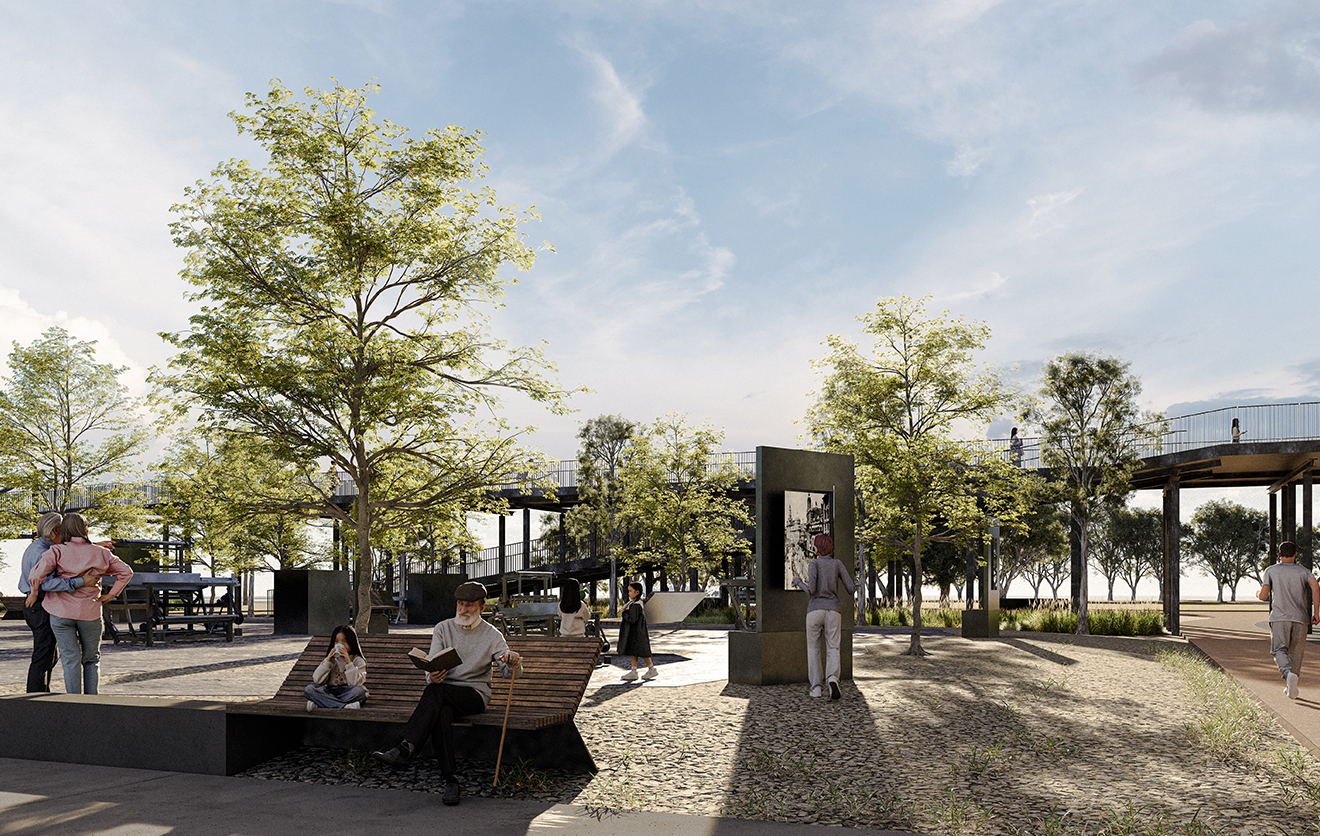
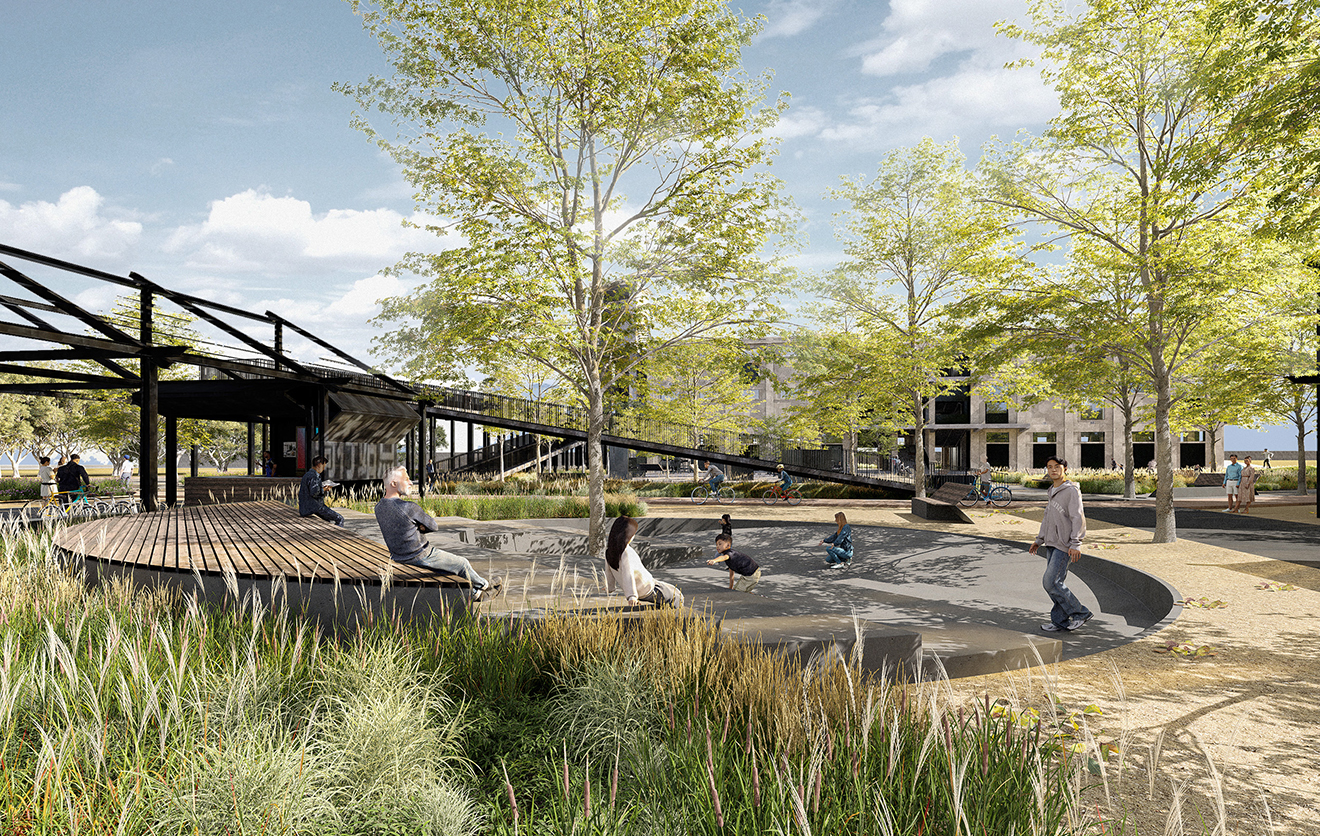
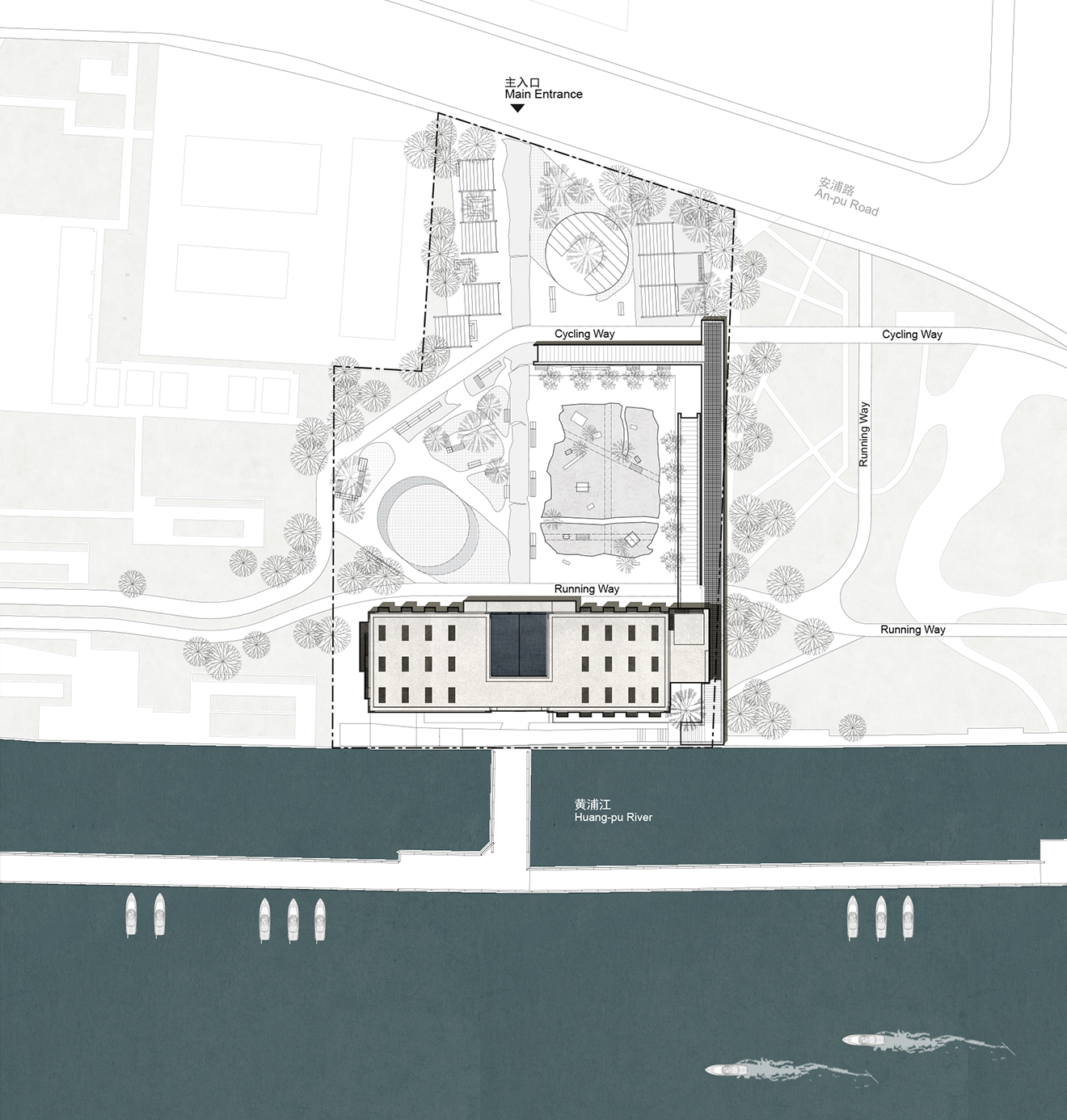
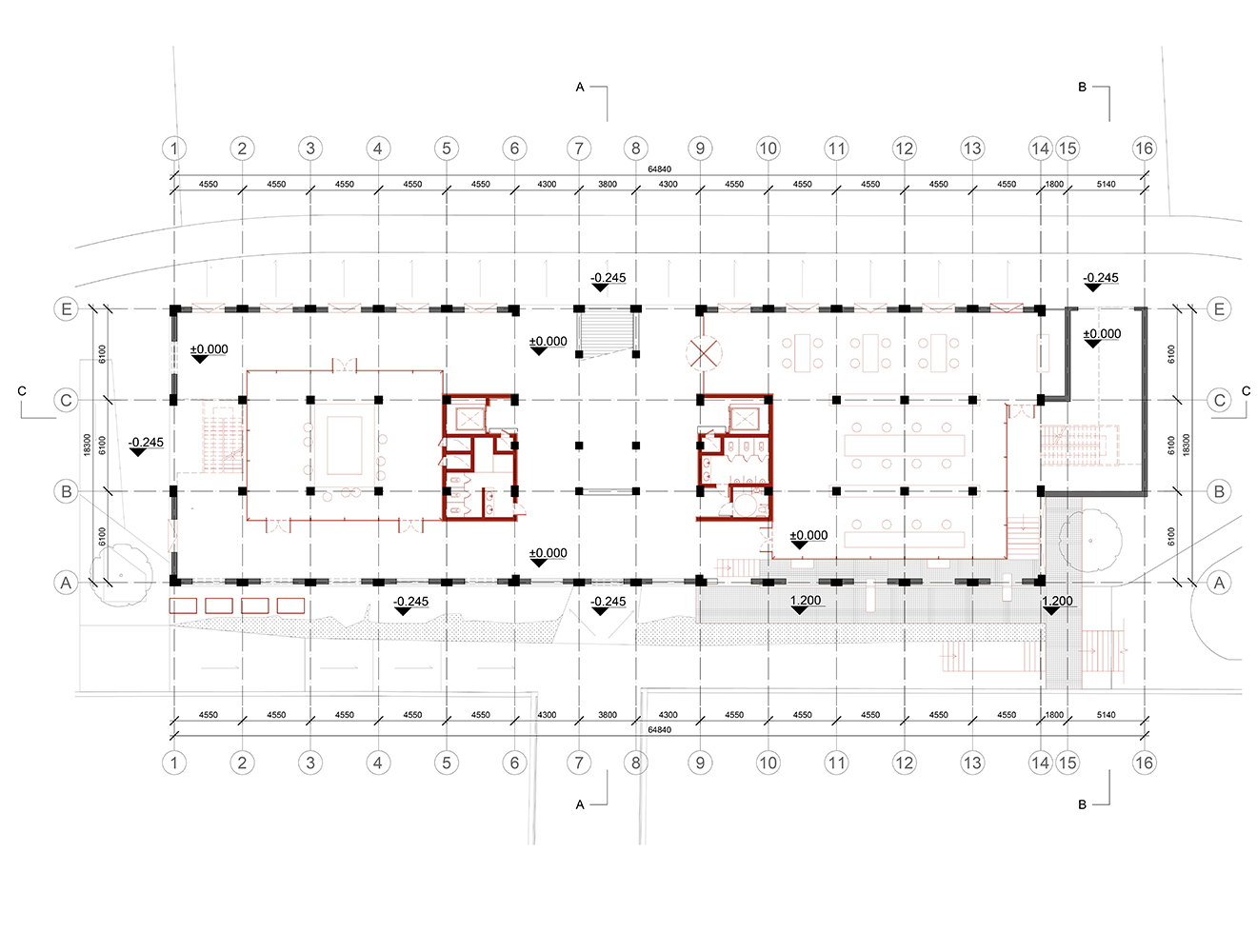
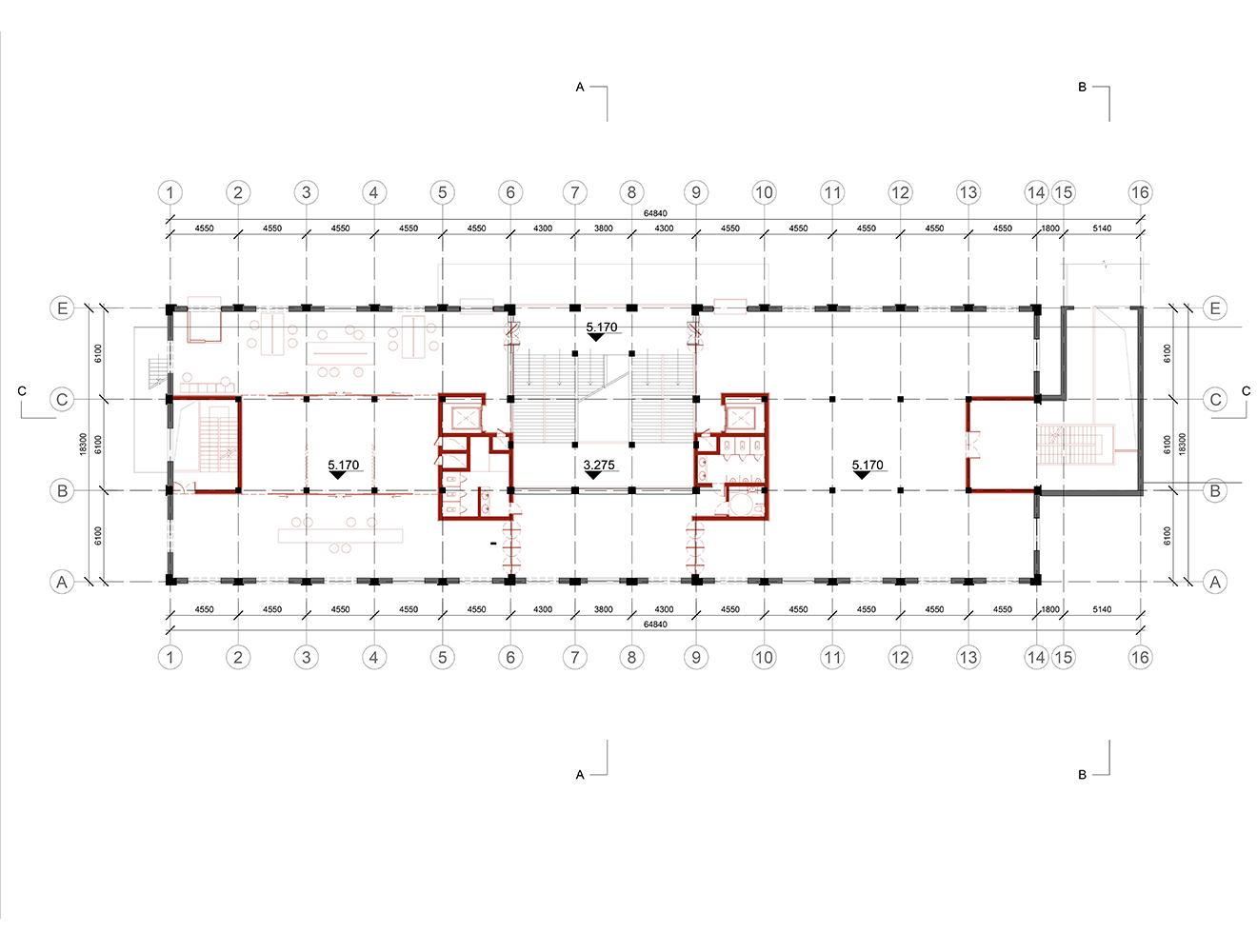
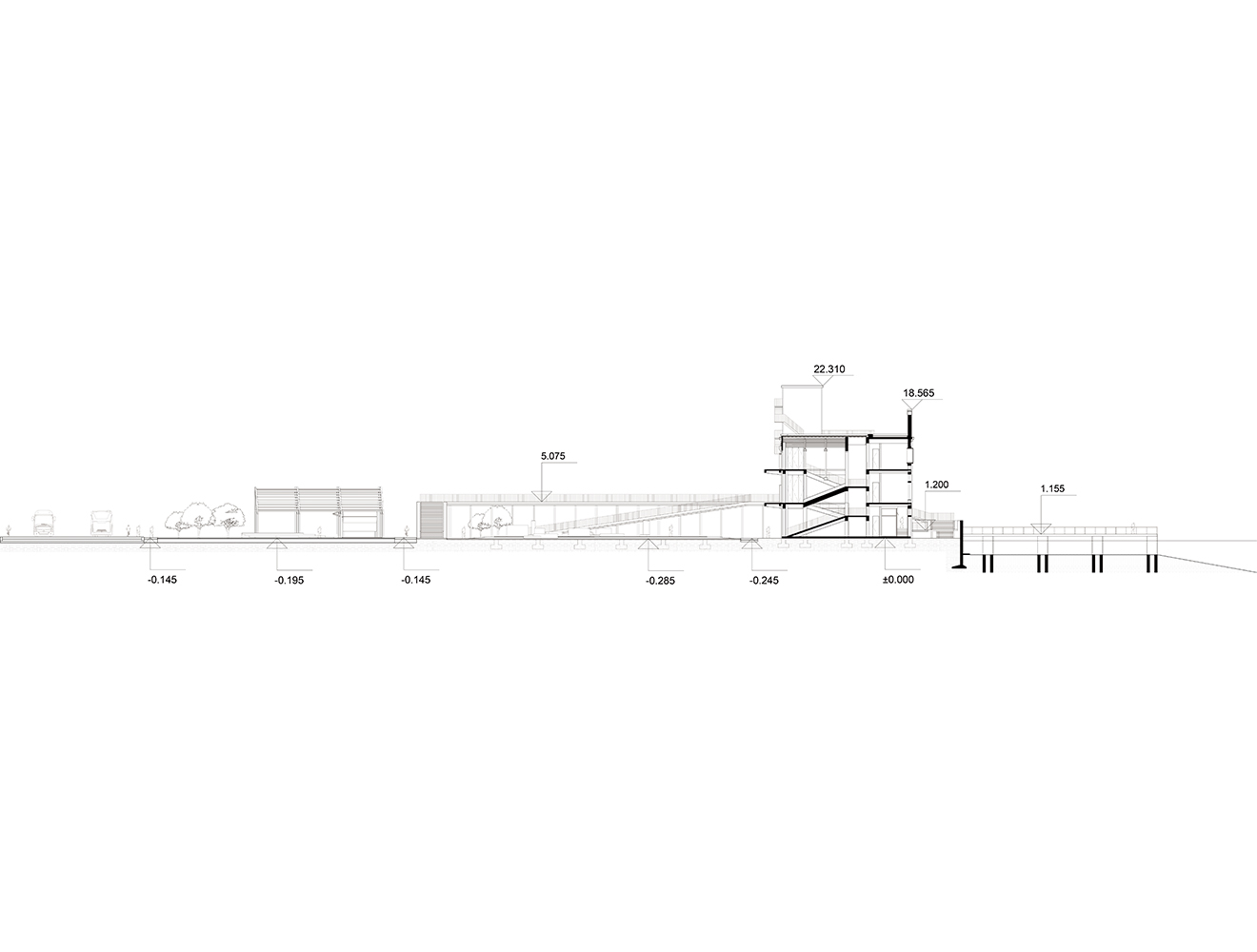
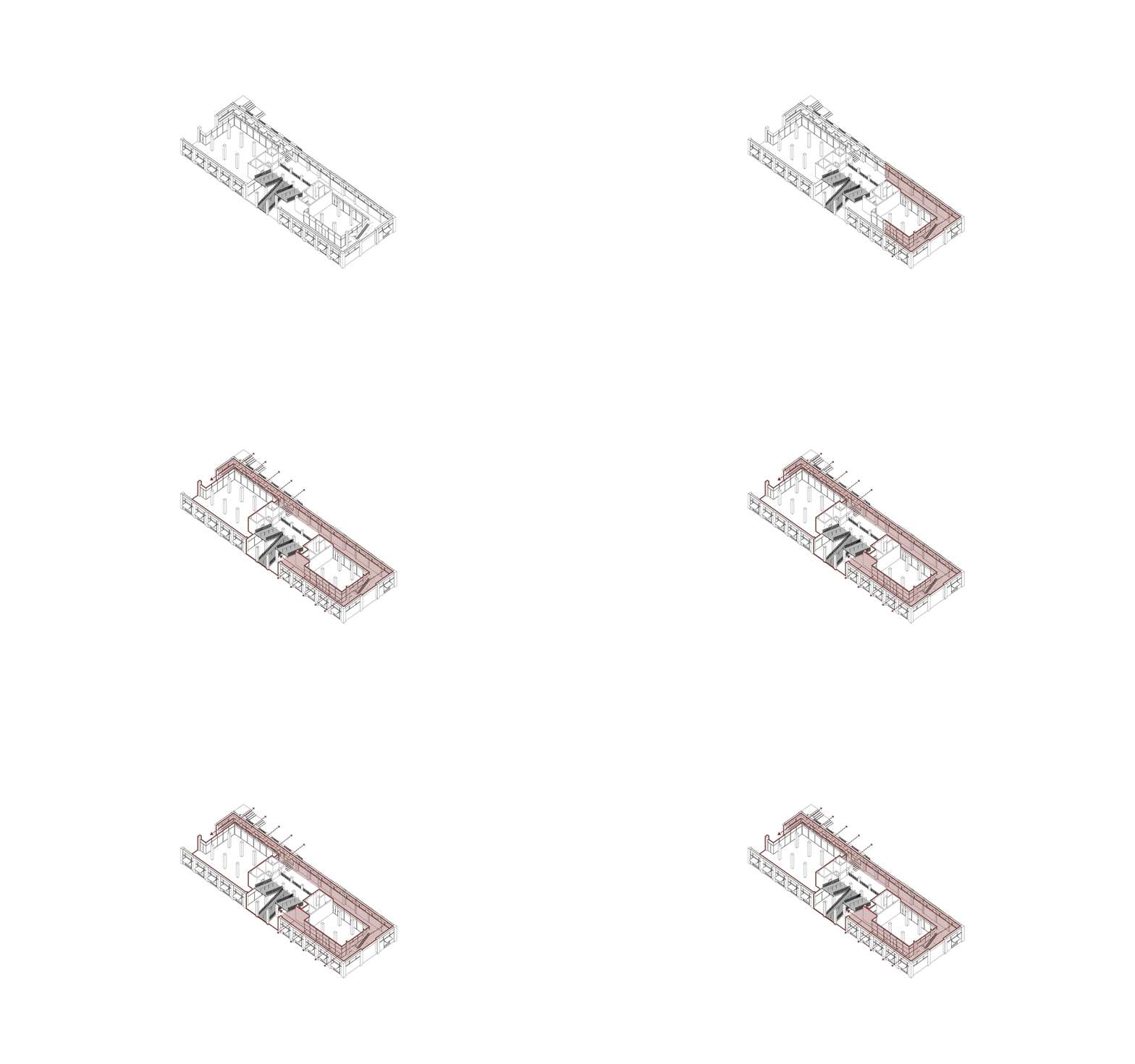
Sky Corridor:Sky corridor connects to the old tower, providing a convenient passage to 2F/3F. Contrasts ground-level slow-traffic: sky walkway for efficiency, ground for leisure. Optimizes internal flow and remedies vertical circulation flaws.It not only extends the function of the building, but also connects the landscape. Waterfront Balcony at the rear fills the functional gap of the riverside green belt, making the overall landscape more complete.
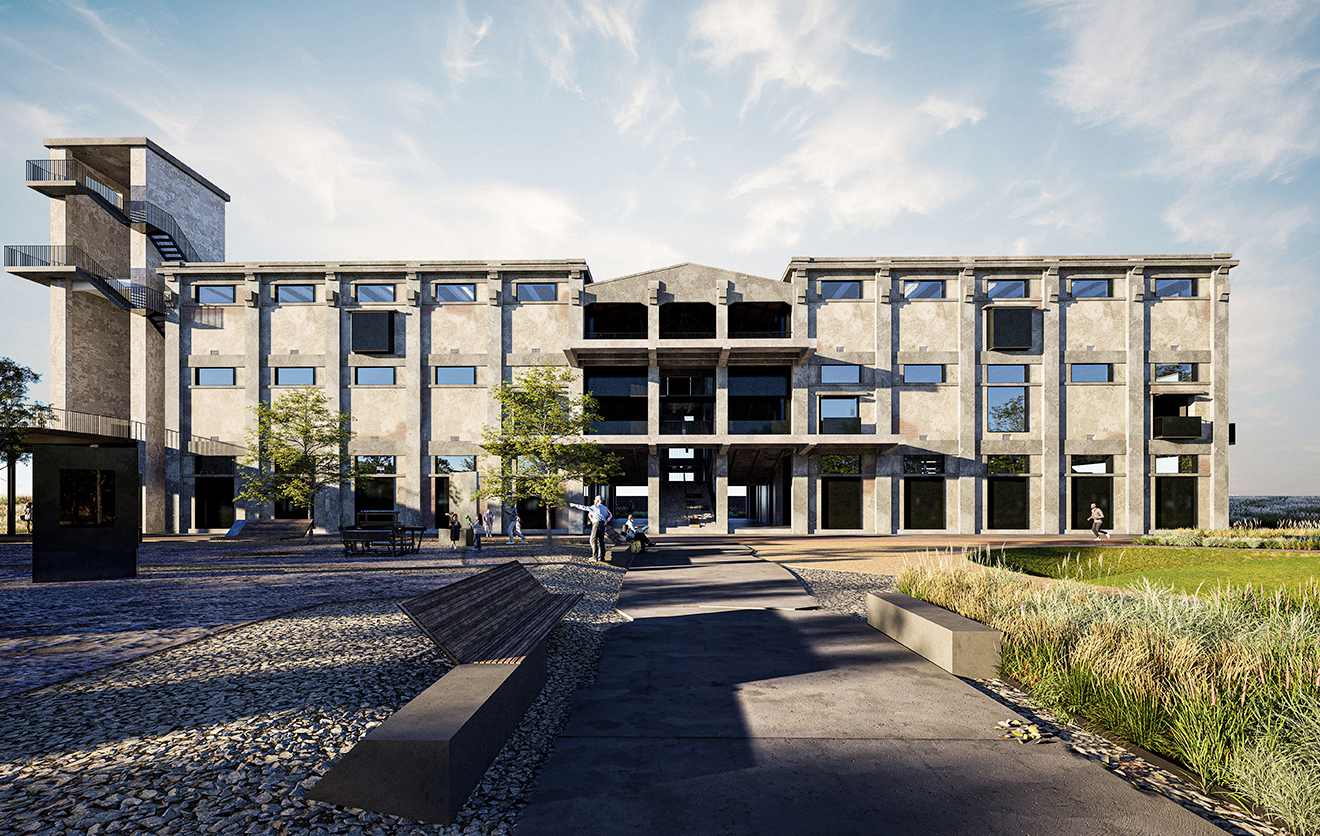
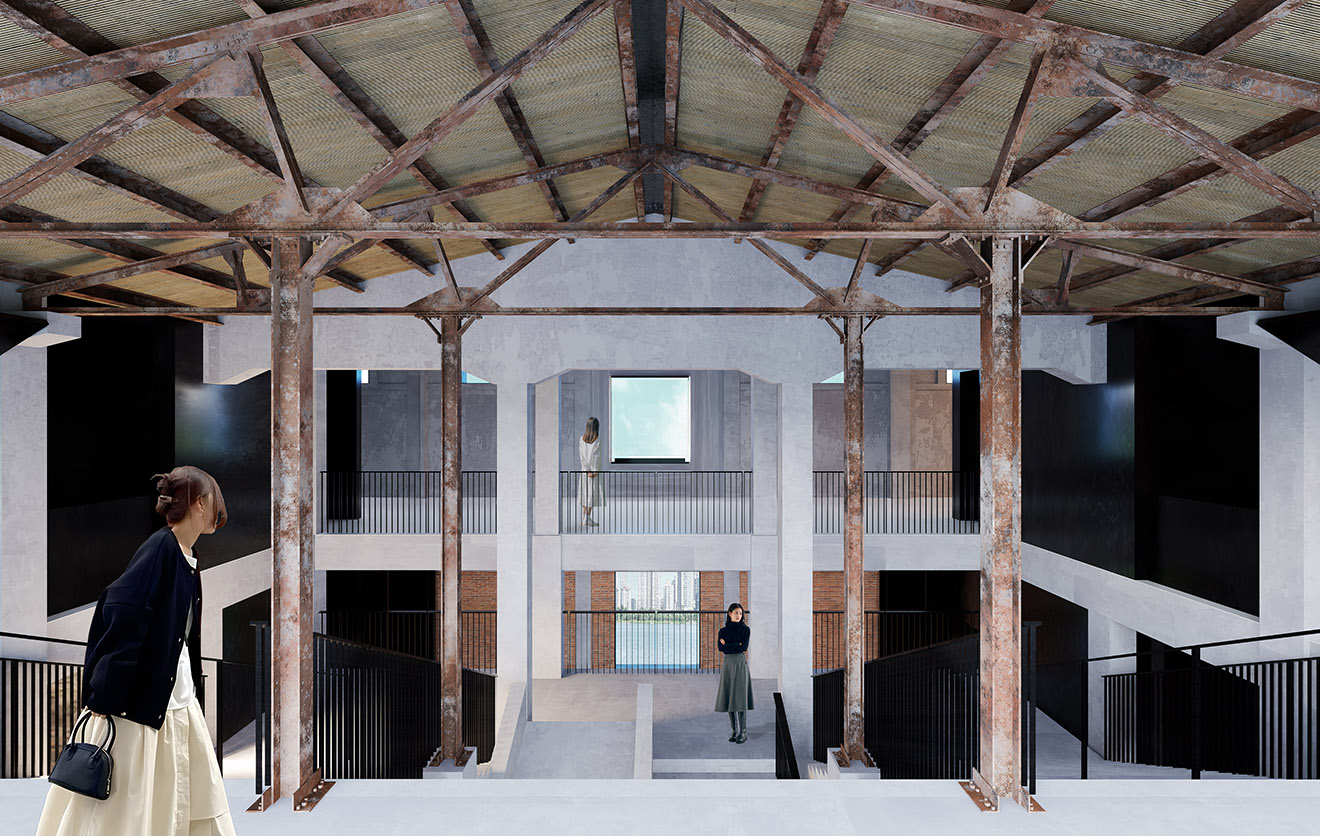
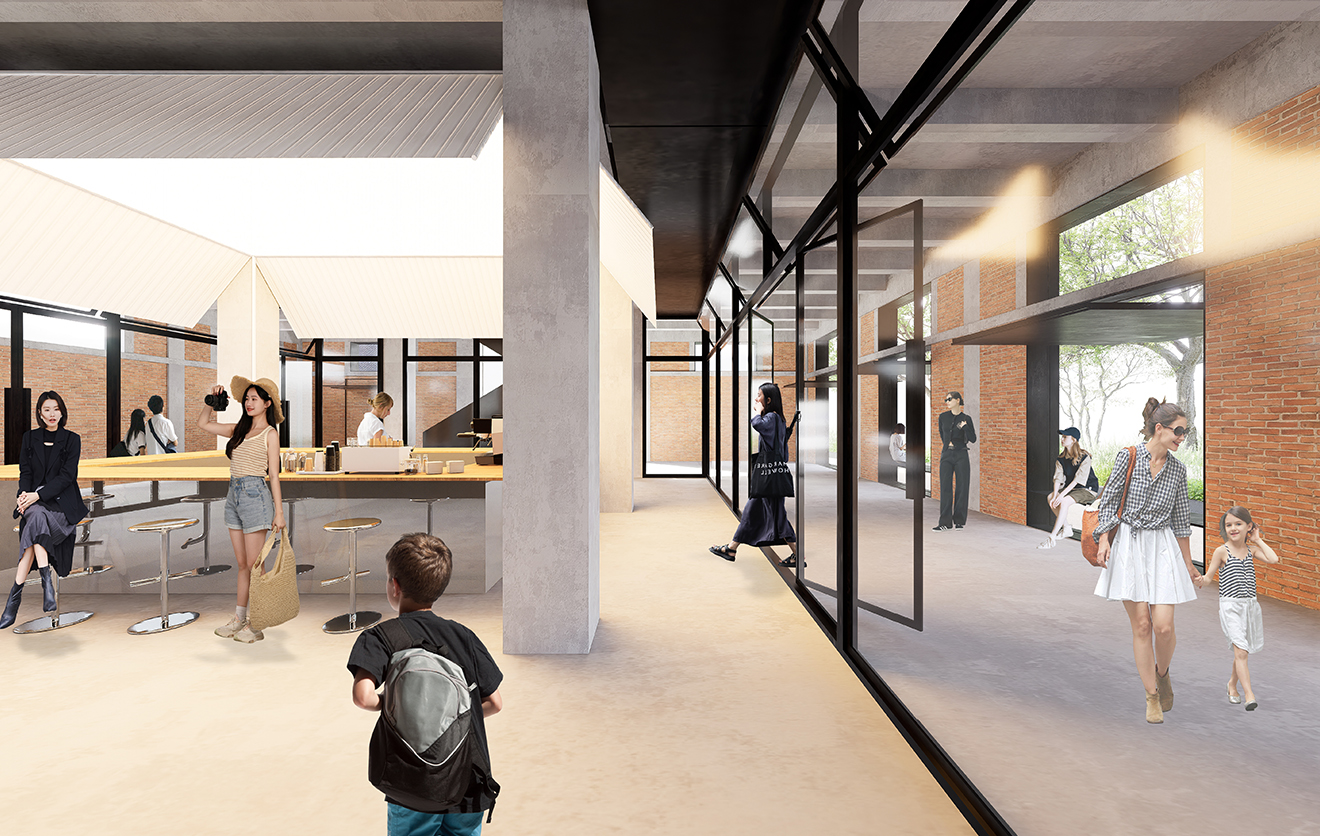
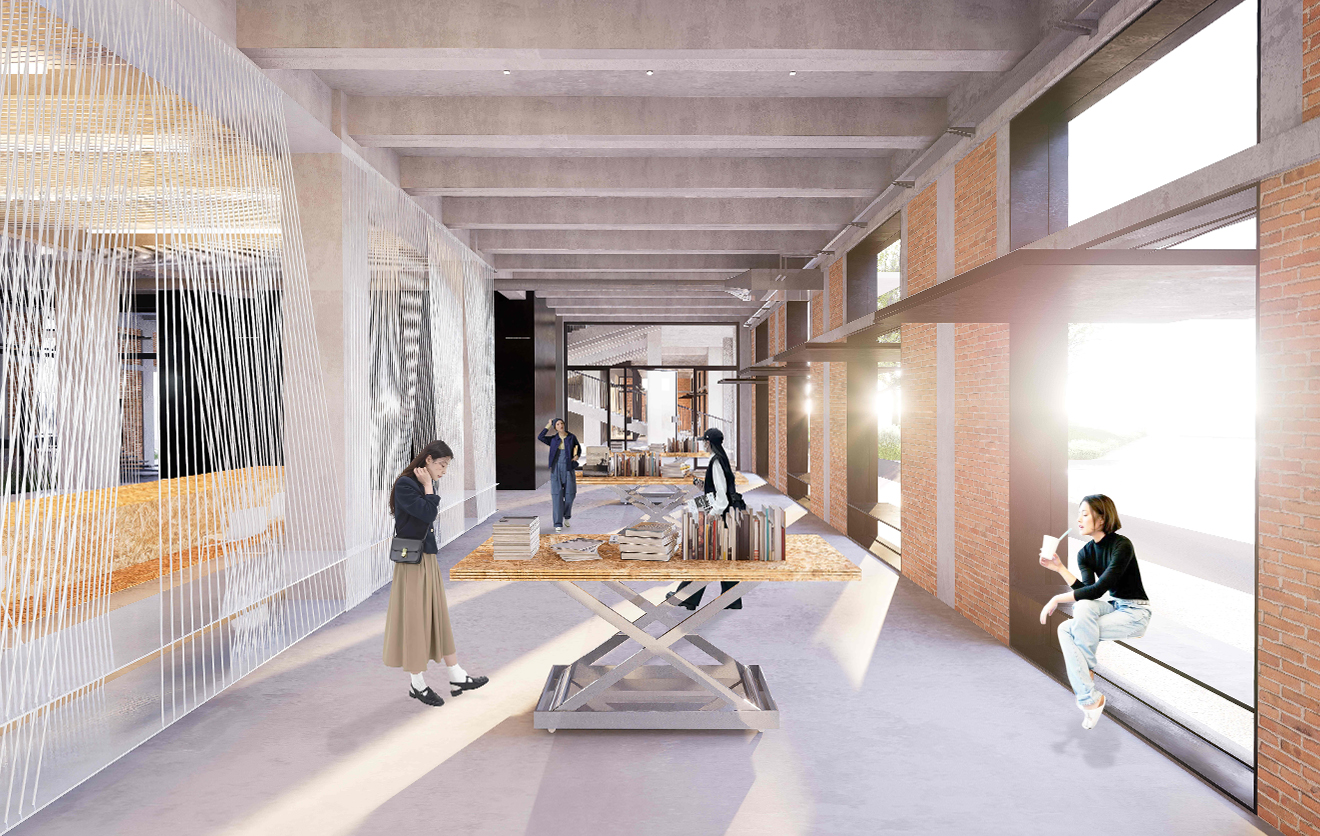
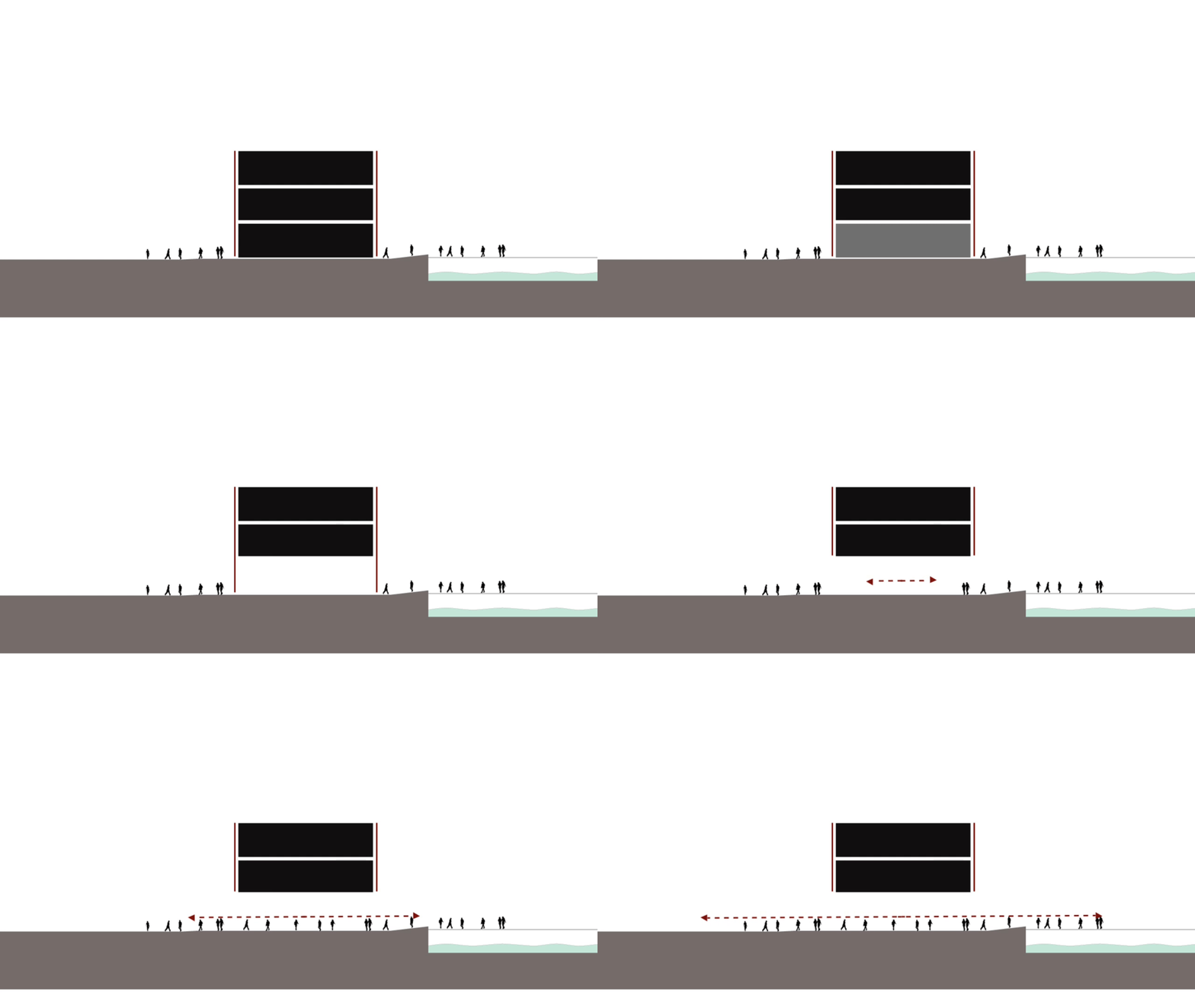
Based on visual path analysis, we preserved original facades in core sightlines. Strategically open voids in visual gray zones to release interior space.
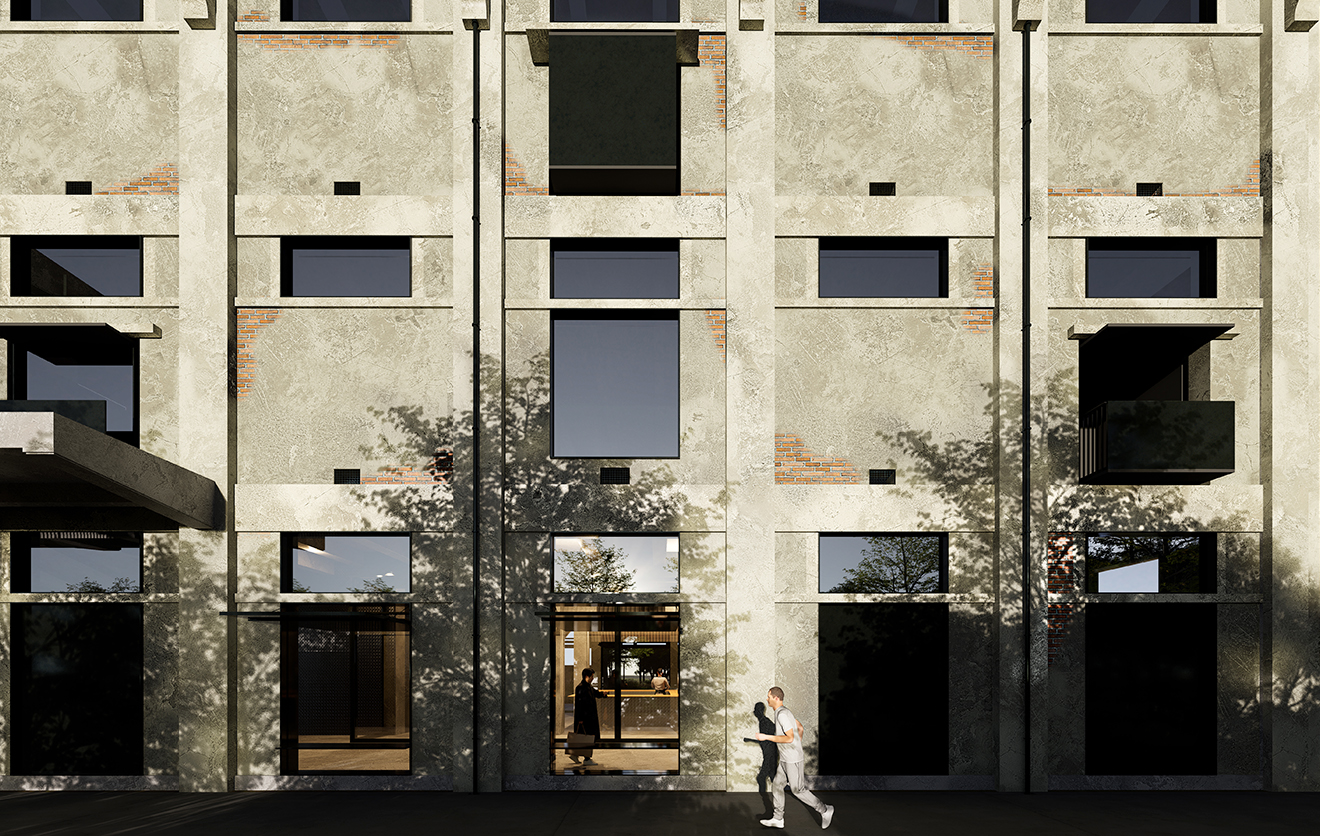
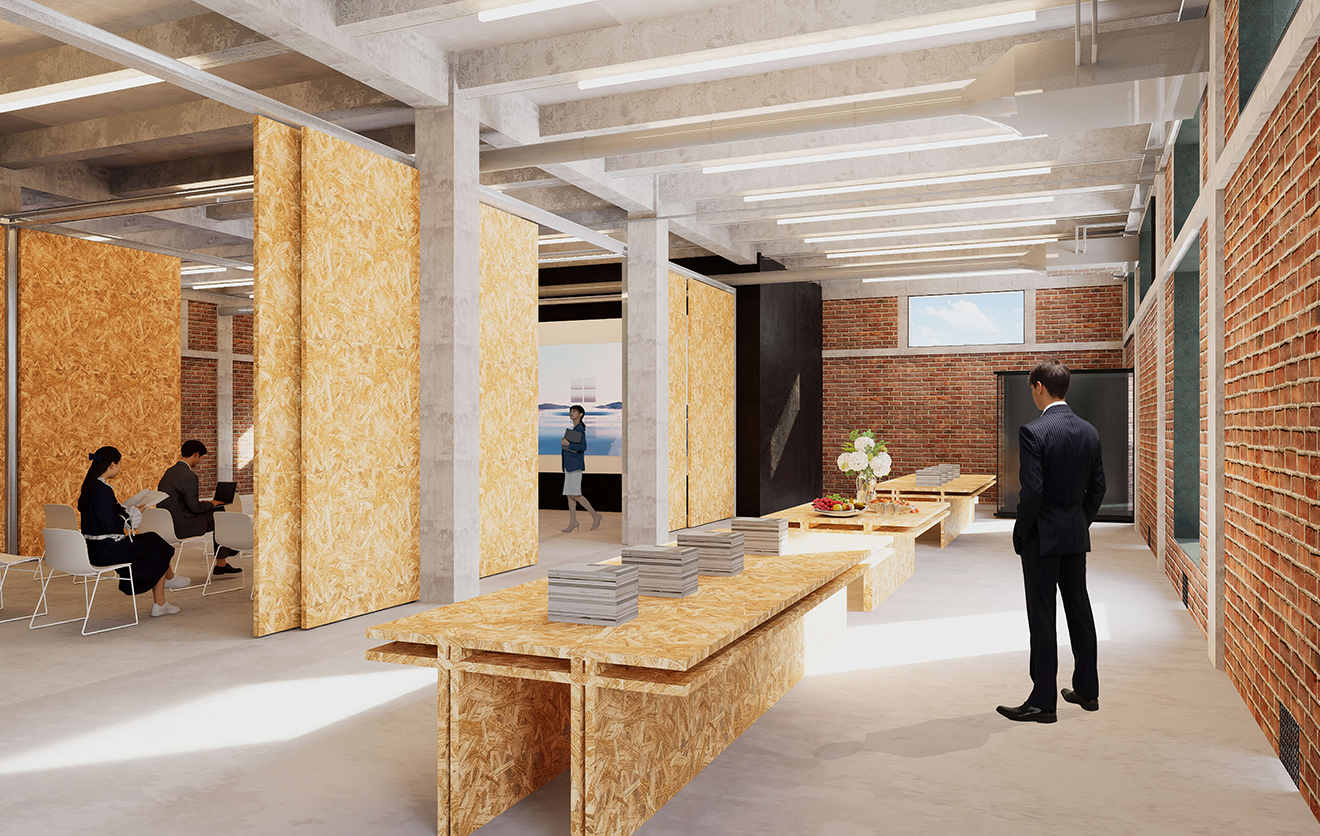
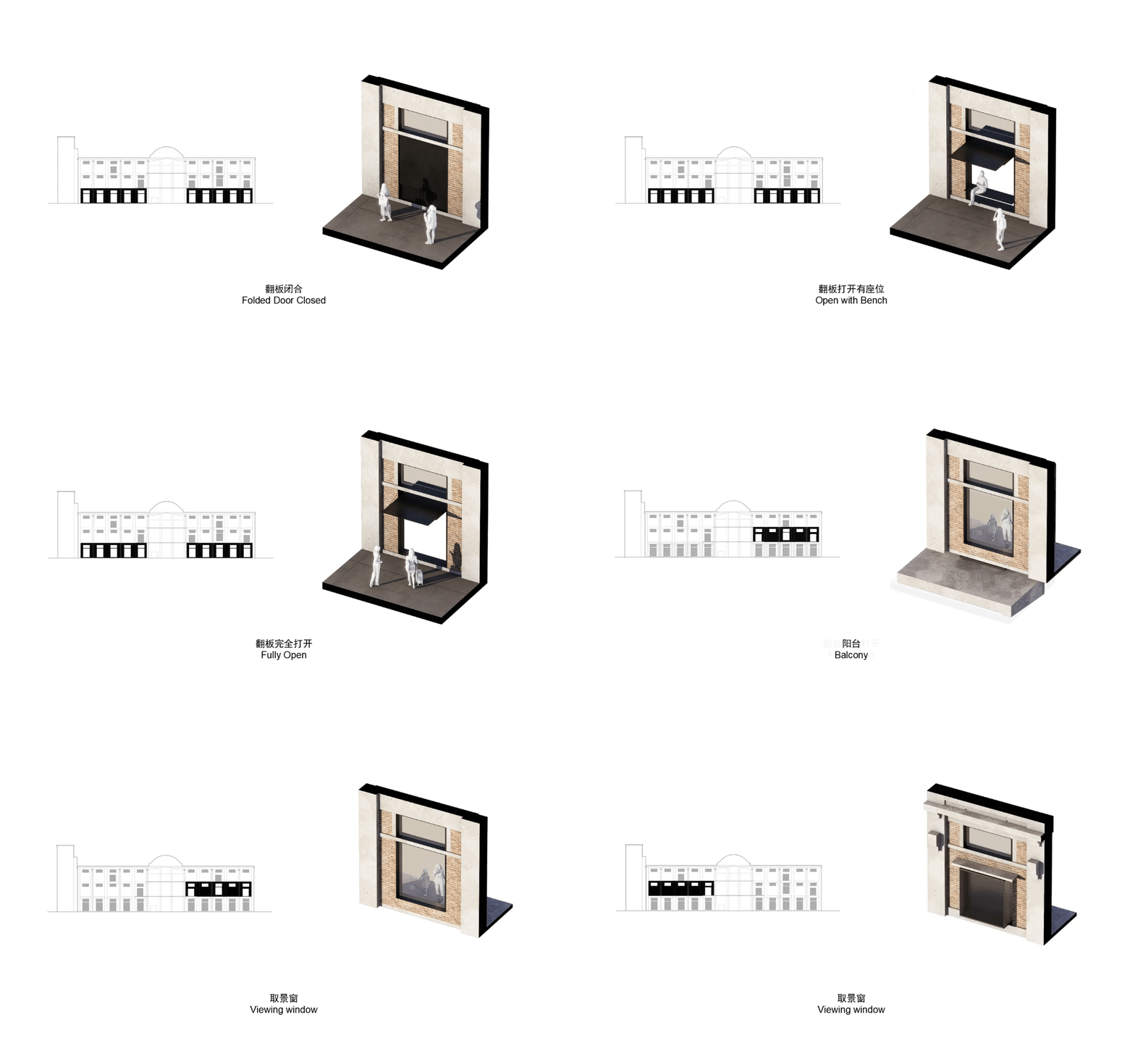
Design honor history without copying forms. Kinetic flip panels become a highlight.They function like the building's rhythmic breath: Open panels bring light and views, shaping transparent spatial experiences; Closed panels define independent units, adapting to flexible functions. Through this dynamic cycle, the old factory's spatial potential is awakened, effortlessly meeting diverse contemporary demands.
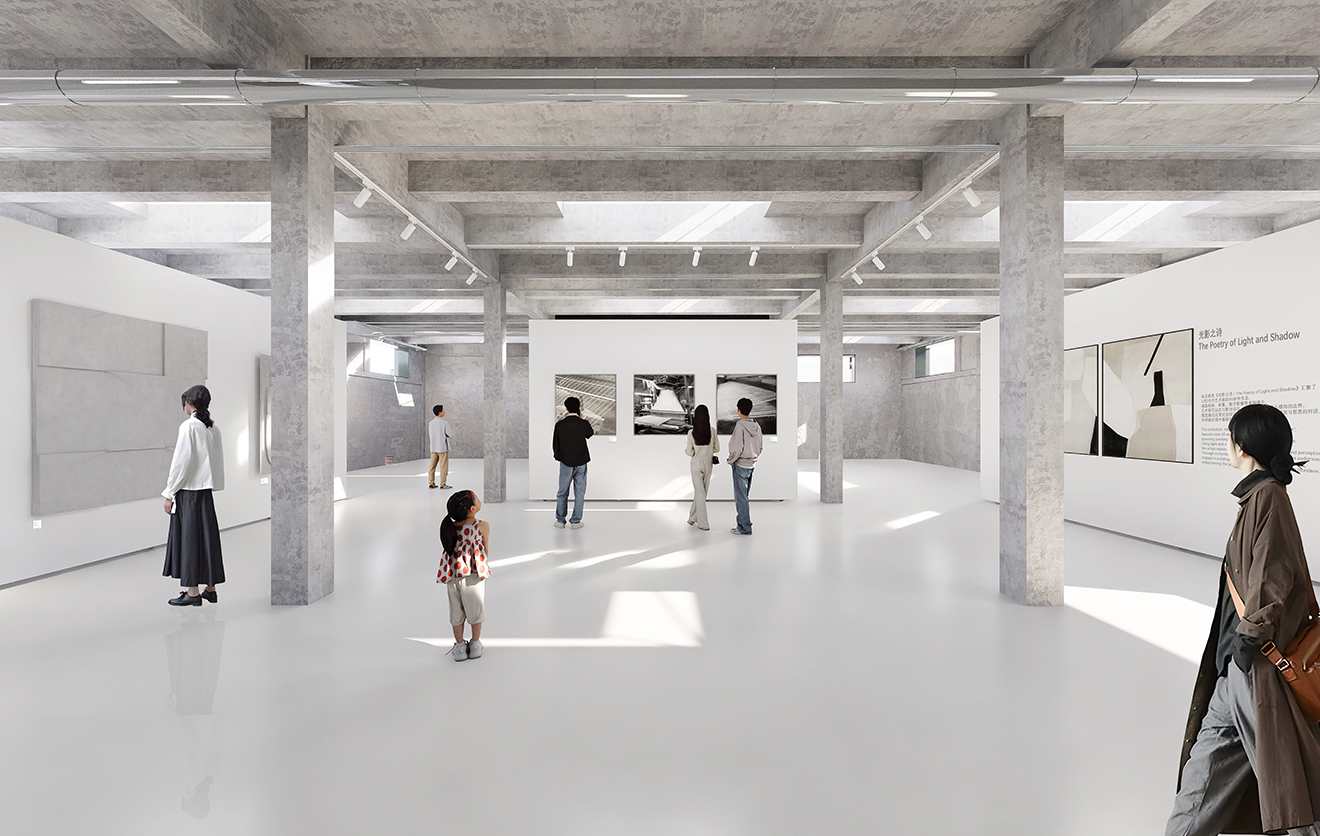
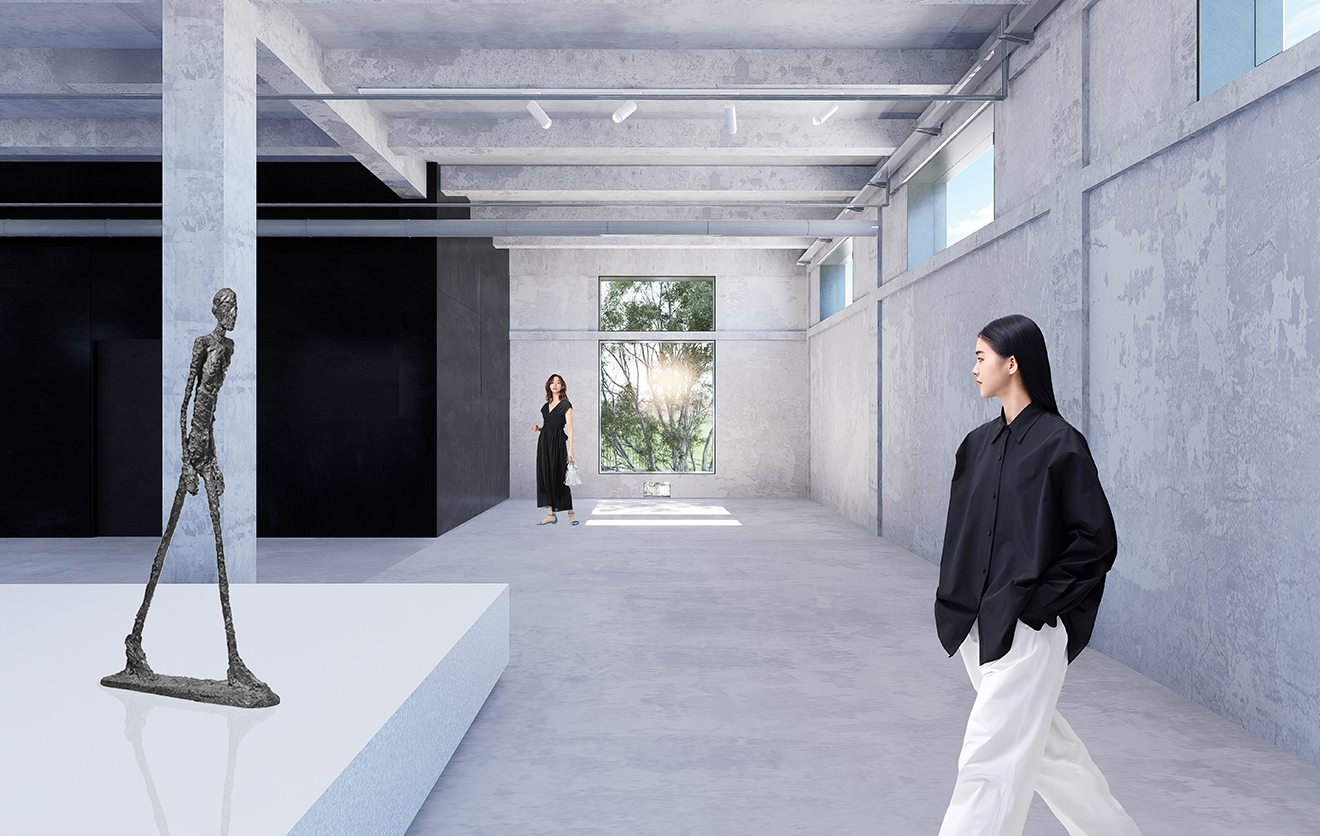
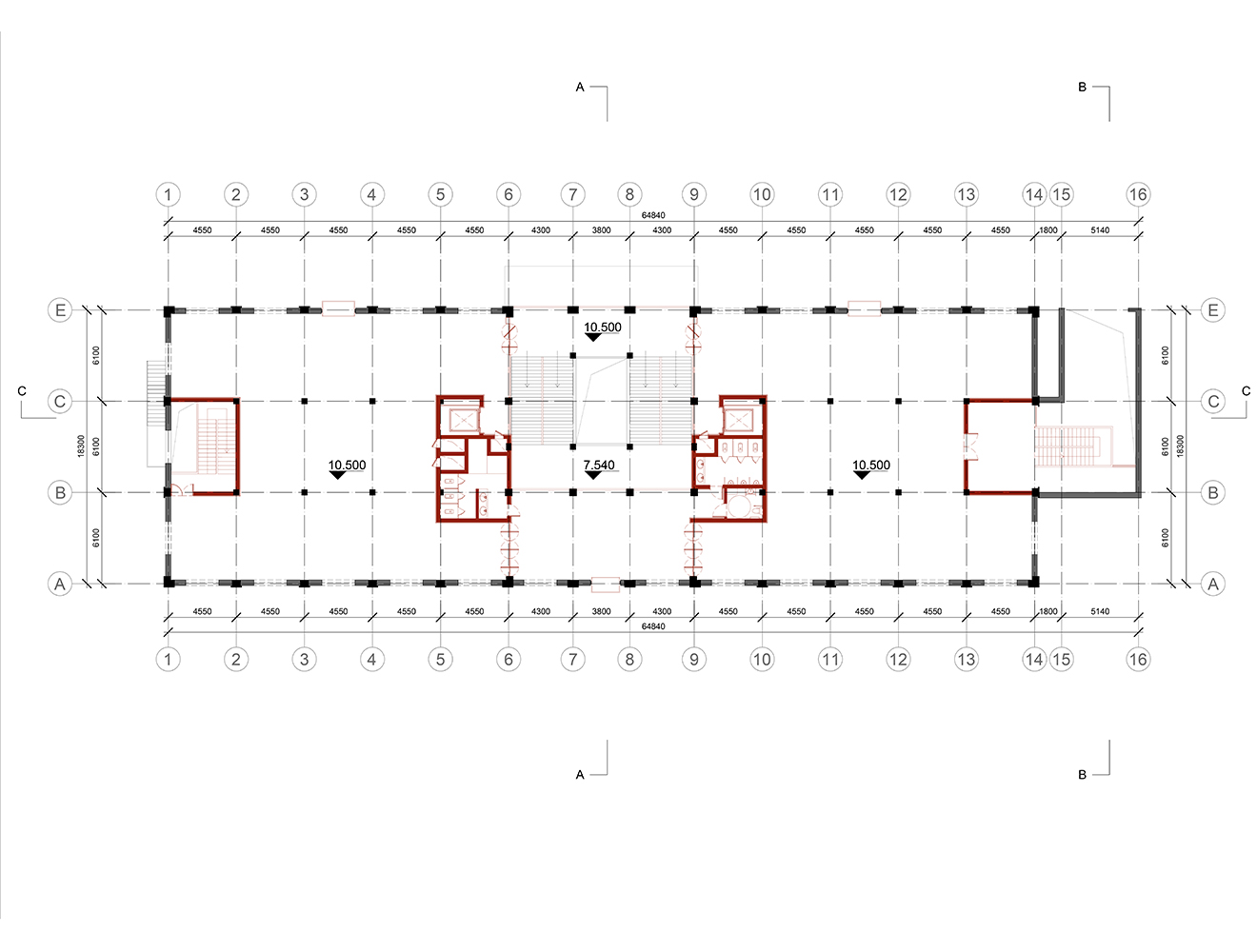
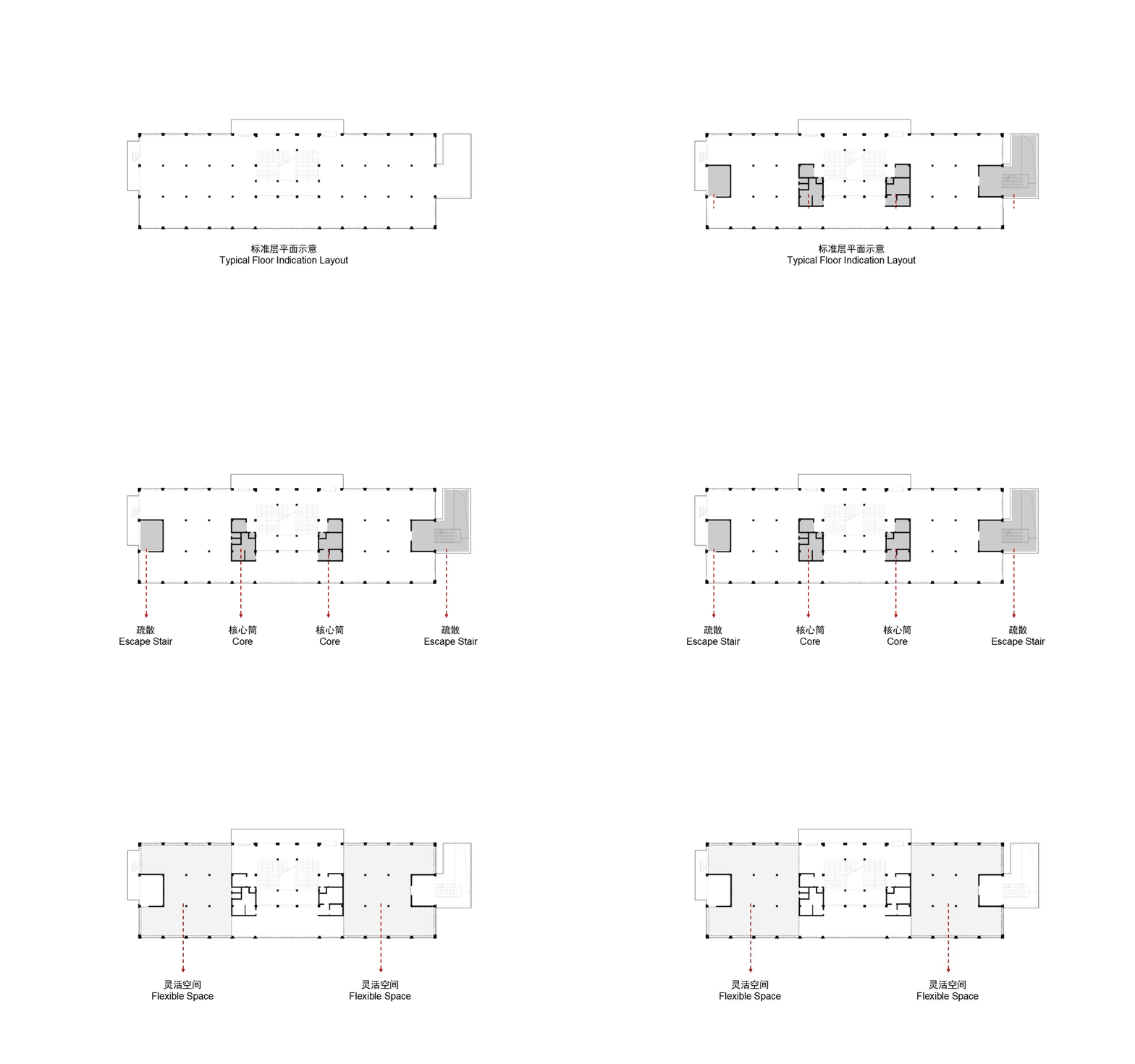
Inner resilience is spatial flexibility and high adaptability. It embodies the essence of contemporary architectural sustainability – resilience to evolving functional demands endows buildings with enduring relevance through time.